
Buy Budder Weed Concentrate Online

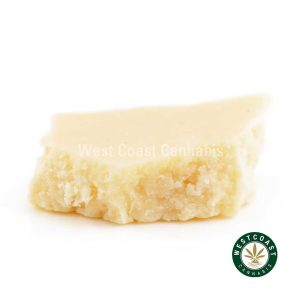
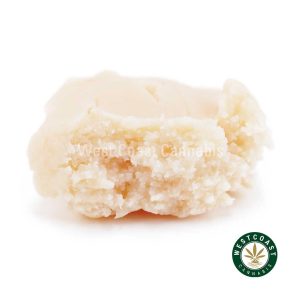
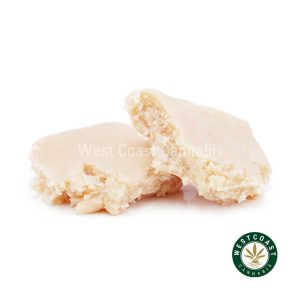
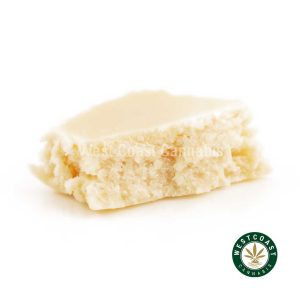
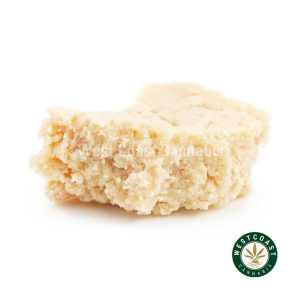
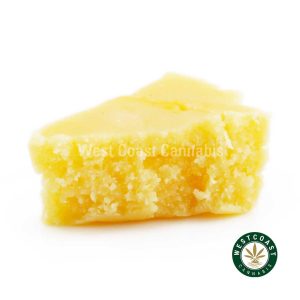
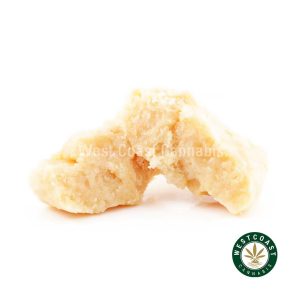
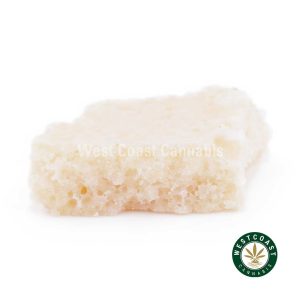
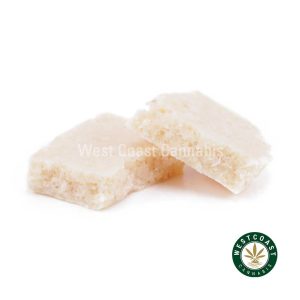
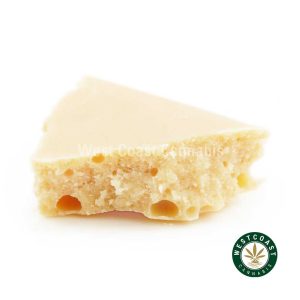
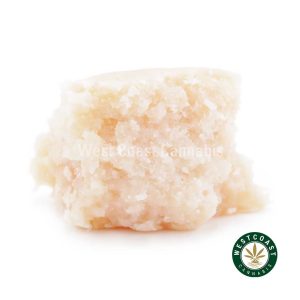
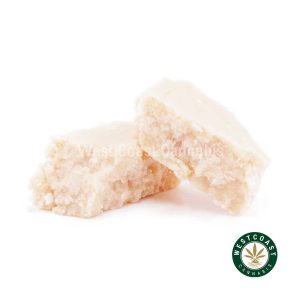
There are many different ways to concentrate cannabis, and all of them have their own advantages and a ton of THC. One of the most popular among them is budder一a form of concentrate that is often extracted using CO2. This extraction process leads to a creamy, whipped consistency and yellow coloring that’s reminiscent of butter (hence the name).
One of the big advantages of this cannabis concentrate is all of the terpenes it contains. For the uninitiated, terpenes are the chemical compounds that give cannabis its incredible smell and taste. But while most marijuana enthusiasts love their concentrates to have a heavenly aroma and a salient flavor palette, they’re usually more concerned with THC content. Budder delivers that in droves; it’s considered one of the most potent, not to mention one of the cleanest, concentrates available.
Budder weed is best used in a dab rig, a vape, a water piece, or by adding it to flower and rolling it up into a joint.


Showing all 15 results











What Is Budder?
Also known as budder weed, badder, batter, or butter, budder is a popular type of cannabis concentrate. Budder is similar to other high-THC oil and wax extracts, only with a creamier texture that draws comparisons to batter or butter. Like other cannabis concentrates, budder offers a range of positive effects and medical benefits.
You can smoke, vape, or dab budder and it’s available in various strains. If you want to get your hands on high-quality budder extracts, you can buy budder online in Canada safely and discreetly.
The effects of cannabis budder are much like what you’d get from smoking or vaping weed – only stronger. Indica budder is ideal for soothing your body and helping you relax, unwind, and sleep better. Sativa budder will sharpen your focus, heighten your senses, and make you more talkative and social. Hybrid budder strains give you versatile effects with intense physical relaxation and mental euphoria.
Can medical marijuana users benefit from budder? Definitely. Budder offers potent relief for physical ailments such as chronic pain, inflammation, headaches, migraines, and physical injuries. The mental effects of budder can also help counteract symptoms of chronic stress, anxiety, and depression. Budder extracts can also help with insomnia, nausea, and loss of appetite.
Should you use budder concentrates instead of cannabis flower or weed? Much like cannabis flower, budder is available in a range of indica, sativa, and hybrid strains and can give you potent effects within minutes. The main difference is that budder contains much higher THC levels per gram, meaning you only need a small dab to get high. With that said, some users might find smoking weed more convenient than vaping or dabbing budder.
Is budder better than shatter? Both of these cannabis extracts offer powerful effects and medical benefits and it’s worth trying both of them out. The main difference between the two is in their textures. Shatter is hard and glass-like, making it easy to shatter into small dabs. With that said, the soft and buttery texture of budder makes it easy to scoop up a dab and add it to a joint, bowl, or dab nail.
Smoking Budder: Trying to smoke budder by itself won’t work too well, but you can mix dabs of budder with weed in a joint or bowl for an intense smoking experience. Add your flower first before applying the budder on top.
Vaping Budder: Vaporizing budder with a concentrate vaporizer or wax pen is arguably the best way to use it. Vaping will give you flavorful hits and intense effects. The ideal vaping temperature for cannabis extracts is usually around 157 – 232°C (315 – 450°F).
Dabbing Budder: Dabbing offers even stronger effects than vaping but requires the use of a dab rig. You can heat the nail of your rig with a dab torch and apply a dab of budder using a dab tool before inhaling through the mouthpiece.
- Aerated Extract – Concentrate whipped to introduce air, creating budder texture.
- Amber Budder – Golden-colored budder with high clarity.
- Aroma Preservation – Maintaining terpene strength during whipping.
- Agitated Wax – Wax mechanically whipped into budder form.
- Air-Whipped Consistency – Fluffy, creamy structure from agitation.
- Budder – A smooth, whipped cannabis extract with a creamy texture.
- Badder – Similar to budder but slightly wetter and softer.
- Butter-Like Extract – Budder style resembling dairy butter in consistency.
- Breakdown Stability – Budder’s ability to maintain texture without separating.
- Butane Hash Oil Budder – BHO processed into budder via whipping.
- Cannabinoid-Rich Budder – High cannabinoid concentration in whipped oils.
- Consistency Profile – The texture classification of budder.
- Creamy Concentrate – Smooth texture achieved through agitation.
- Closed-Loop Extraction – Safe extraction method producing high-quality budder.
- Cured Budder – Budder made from dried/cured flowers.
- Color Remediation – Filtering process for light, golden budder.
- Crème-Style Dab – Another term for budder consistency.
- Cold Curing Budder – Whipped at low temperatures for terpene retention.
- Dab – Small amount of budder vaporized on a heated surface.
- Dab Tool – Metal tool for scooping sticky budder.
- Dab Rig – Concentrate bong used for vaporizing budder.
- Decarboxylation – Heating cannabis oil to convert THCA → THC.
- Delta-9 Budder – Budder high in active THC.
- Dry Budder – Less oily, more crumbly budder texture.
- Extract Artist – Expert who creates budder-style concentrates.
- E-Nail – Electric nail providing precise dabbing temperatures.
- Ethanol Budder – Budder extracted using ethanol rather than butane.
- Even Whip – Uniform beating to achieve consistent budder texture.
- Elevated Terp Profile – High terpene concentration common in budder.
- Full-Spectrum Budder – Contains full cannabinoids + terpenes.
- Fresh Frozen Budder – Made from frozen cannabis for live flavor.
- Frothy Texture – Budder with light, airy feel.
- Fatty Resin – Thick extract ideal for whipping into budder.
- Flavor-Rich Budder – Whipping exposes more aromatic compounds.
- Golden Budder – Clean, bright yellow concentrate.
- Glass Jar Cure – Curing budder inside sealed jars.
- Gas-Forward Budder – Strong fuel-like terpene expression.
- Gooey Budder – Stickier, wetter type of budder.
- Granulated Wax – Wax that can be whipped into budder.
- High-Whip Concentrate – Extract agitated extensively for creamy finish.
- Heat Purge – Removing solvent via heated vacuum oven.
- HTE Budder – High-terpene extract whipped into budder.
- Homogenized Extract – Evenly mixed for smooth consistency.
- Hydrocarbon Budder – Budder created with butane/propane extraction.
- Indica Budder – Whipped concentrate made from indica strains.
- Iso Extraction – Budder created via isopropyl extraction.
- In-Line Processing – Streamlined extraction → whipping workflow.
- Infused Budder – Budder with added cannabinoids or terpenes.
- Jar Tech Budder – Budder cured in sealed jars for flavor.
- Juicy Budder – Terpene-heavy, wet texture.
- Kush Budder – Budder derived from Kush genetics with earthy/gas notes.
- Kief Budder – Budder made from sifted trichomes.
- Live Budder – Budder made from live resin starting material.
- Light-Whip Technique – Gentle whipping for softer texture.
- Low-Temp Dab – Dab taken at lower temps to preserve flavor.
- Lemon-Scent Budder – Budder featuring citrus terpenes.
- Micron Filter – Used to remove plant matter before whipping.
- Melt Quality – How cleanly the budder vaporizes.
- Molecular Budder – Highly refined and whipped extract.
- Multi-Strain Budder – Blend of multiple strains whipped together.
- Moist Budder – High-moisture, glossy budder finish.
- Nug Run Budder – Made from whole buds (higher quality).
- Non-Live Budder – Created from dried flower instead of fresh frozen.
- Nitro-Sealed Budder – Packaged with nitrogen to preserve terpenes.
- Neutral-Flavored Budder – Mild terpene expression.
- Oily Budder – Slicker, wetter variant of budder.
- Open-Blast Budder – Old extraction method (now unsafe & outdated).
- Opacity Level – Creamy, opaque look of budder.
- Oven-Cured Budder – Curing done inside vacuum ovens.
- Propane Hash Oil Budder – PHO budder made using propane.
- Purged Budder – Properly cleaned of solvents.
- Pressurized Extraction – High-pressure processing before whipping.
- Peak Flavor Dab – Ideal temp & texture for best taste.
- Puffed Texture Budder – Light, airy concentrate structure.
- Quality Whip – High-end agitation resulting in perfect budder texture.
- Quick Cure Budder – Budder cured rapidly for fast production.
- Quenched Solvent Removal – Rapid cooling step in extraction.
- Rosin Budder – Solventless rosin whipped into budder consistency.
- Runny Budder – Very soft, borderline sauce-like budder.
- Refined Budder – Extra-filtered and clean.
- Room-Temp Cure – Budder cured at room temperature for stability.
- Saucy Budder – Budder with terpene-rich liquid pools.
- Stiff Budder – Dense, thick, less creamy form.
- Solventless Budder – Rosin-based whipped extract.
- Sugar Budder – Slightly crystallized, sugary version of budder.
- Shatter-to-Budder – Shatter transformed into budder by whipping.
- Stable Whip – Budder that holds shape and doesn’t separate.
- Terpene Budder – High-terpene budder rich in flavor.
- THCA Budder – Budder with high THCA content.
- Taffy Budder – Elastic, taffy-like concentrate texture.
- Texture Transformation – Change from oil → wax → budder via agitation.
- Unrefined Budder – Less processed, more natural texture.
- Uniform Consistency – Even texture across the whole batch.
- Ultra-Whipped Budder – Intensely whipped to create maximum creaminess.
- Vacuum Purged Budder – Purged under vacuum for safety.
- Viscous Budder – Thick and oily concentrate.
- Vape-Friendly Budder – Budder suitable for dab pens.
- Whipped Wax – Another name for budder.
- Wet Budder – Glossy, terpene-rich budder with high moisture.
- Whip Technique – Method used to aerate concentrate into budder.
Concentrates Budder FAQs – Understanding Cannabis Budder Concentrates
Concentrates Budder is a recognizable category within cannabis concentrates, commonly identified by its soft, creamy, or butter-like consistency. However, the term “budder” primarily describes physical characteristics rather than one universal chemical formula. Individual Cannabis Budder products may have different cannabinoid ratios, terpene profiles, textures, and levels of refinement.
The following FAQs examine additional topics surrounding Budder Concentrate, including terminology, product classification, minor cannabinoids, chemical consistency, certificates of analysis, batch identification, and differences between visually similar concentrates.
1. Is Concentrates Budder a Standardized Cannabis Concentrate Category?
Concentrates Budder is widely used as a descriptive category, but the term is not always defined identically by every manufacturer or regulatory system. “Budder” generally refers to a soft or creamy concentrate consistency rather than a single standardized cannabinoid composition. This is why product specifications and laboratory information are important when comparing Cannabis Budder.
2. Why Can Budder Concentrate Have Different Levels of Firmness?
Budder Concentrate may range from very soft and creamy to thicker, denser, or slightly granular. These differences can be associated with cannabinoid composition, terpene content, source material, and manufacturing characteristics. Two products classified as Concentrates Budder therefore do not necessarily have identical physical properties.
3. Can Concentrates Budder Contain Minor Cannabinoids?
Yes. In addition to major cannabinoids, Concentrates Budder may contain smaller amounts of compounds such as CBG, CBC, CBN, or other naturally occurring cannabinoids. The specific cannabinoid profile varies between cannabis genetics, source materials, formulations, and production batches.
4. What Does Cannabinoid Ratio Mean in Cannabis Budder?
A cannabinoid ratio describes the relative proportions of different cannabinoids detected in Cannabis Budder. For example, laboratory information may identify varying levels of THCA, THC, CBD, CBG, and other compounds. These ratios help describe the chemical composition of a particular Budder Concentrate more precisely.
5. Why Can Concentrates Budder and Other Concentrates Look Similar?
Cannabis concentrates are frequently classified partly by texture, and several categories can develop visually similar consistencies. Concentrates Budder may sometimes resemble wax, sugar wax, or other soft extracts. Product names, cannabinoid data, terpene information, and manufacturer classifications provide additional context beyond appearance.
6. What Does Homogeneity Mean for Budder Concentrate?
Homogeneity refers to how evenly the components of a concentrate are distributed throughout a product. A Budder Concentrate may contain cannabinoids, terpenes, and other cannabis-derived compounds in a complex mixture. Product consistency can therefore be an important consideration when interpreting laboratory and manufacturing information.
7. What Is a Certificate of Analysis for Concentrates Budder?
A Certificate of Analysis, commonly abbreviated as COA, is a laboratory document associated with a tested product batch. For regulated Concentrates Budder, a COA may provide cannabinoid concentrations, terpene information, and required contaminant-screening results. The exact information included depends on local testing regulations.
8. Why Should the Batch Number Match the Budder Concentrate Lab Report?
A batch or lot number connects a specific Budder Concentrate product with its corresponding manufacturing and laboratory records. Matching batch information is important because cannabinoid and terpene profiles can vary between production runs, even when products share the same commercial name.
9. Can Terpene Profiles Differ Between Similar Concentrates Budder Products?
Yes. Similar-looking Concentrates Budder products may contain considerably different terpene profiles. Cannabis genetics and source material can influence compounds such as myrcene, limonene, caryophyllene, pinene, and linalool. Laboratory terpene analysis provides more detailed information than appearance alone.
10. Why Can Different Batches of Cannabis Budder Have Different Laboratory Results?
Cannabis Budder is produced from biological source material, so natural variation can occur between batches. Genetics, cultivation conditions, source material, cannabinoid composition, terpene profiles, and manufacturing variables may all contribute to differences in laboratory results.
Understanding Concentrates Budder
Concentrates Budder belongs to the broader cannabis concentrates and cannabis extracts category, but the term primarily describes a recognizable consistency rather than one fixed chemical composition. Products carrying the same Budder Concentrate name can still differ significantly in cannabinoid ratios, minor cannabinoids, terpene profiles, texture, and laboratory results.
Important terminology associated with Concentrates Budder includes Cannabis Budder, Budder Concentrate, cannabis concentrates, cannabis extracts, cannabinoids, THCA, THC, CBD, CBG, minor cannabinoids, terpenes, cannabinoid ratios, Certificate of Analysis, COA, and batch testing.
Because visual appearance cannot fully describe the chemical composition of Concentrates Budder, verified laboratory documentation and accurate batch information provide more meaningful data for understanding differences between individual products.