
West Coast Cannabis Mushrooms
West Coast Cannabis makes it easy to shop mushrooms online in Canada. We offer various mushrooms and mushroom products online, all of which go through our strict quality testing. With free delivery on orders over $150 across Canada, we are the best place to buy mushrooms online.
Showing 1–50 of 106 results


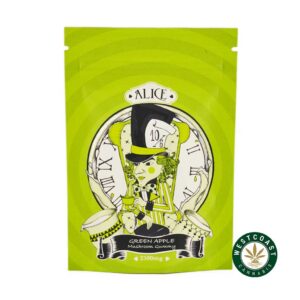


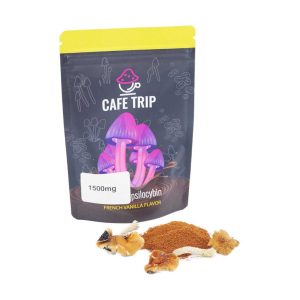
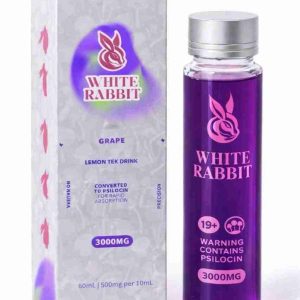
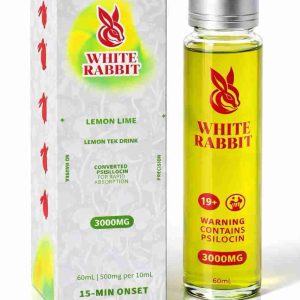
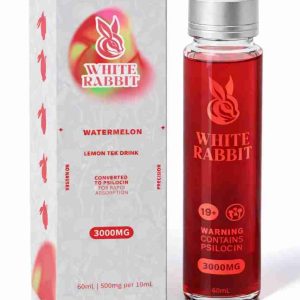
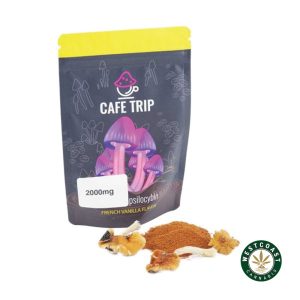


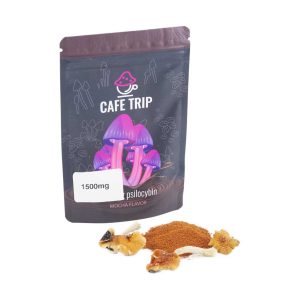
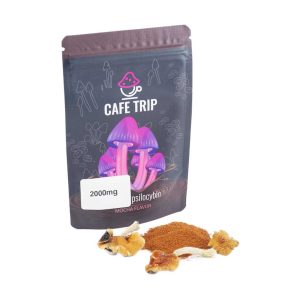

An Introduction to “Magic Mushrooms”
- Agar – Nutrient-rich gel used to grow mushroom cultures.
- Agar Plate – Petri dish filled with agar for spores or mycelium.
- Alkaloids – Active compounds found in psychedelic mushrooms.
- Anatomy (Mushroom) – Structure of cap, stem, gills, spores, etc.
- Active Compounds – Psilocybin, psilocin, and other actives.
- Basidiomycota – Large fungal division including most mushrooms.
- Buller’s Drop – Moisture drop helping spores eject from gills.
- Bioluminescent Fungi – Mushrooms that glow in the dark.
- Button Stage – Early mushroom growth form.
- Bulk Substrate – Large-growing medium like manure or coco coir.
- Cap (Pileus) – Top section of the mushroom.
- Carpophores – Fruiting bodies (mushrooms).
- Colonization – Mycelium spreading through substrate.
- Contamination – Mold or bacteria invading a grow.
- Cordyceps – Medicinal mushroom known for energy support.
- Capsules (Mushroom) – Ground mushrooms placed in capsules.
- Culture Slant – Long-term culture storage tube.
- Cytoplasm Streaming – Internal movement inside hyphae.
- Conk – Woody bracket mushroom growing on trees.
- Casing Layer – Moist top layer for fruiting conditions.
- Dehydration (Drying) – Removing moisture to preserve mushrooms.
- Dikaryotic Stage – Two-nucleus stage of fungal growth.
- Dose (Microdose) – Very small psychedelic dose.
- Deciduous Trees – Common hosts for many mushroom species.
- Decomposer Fungi – Mushrooms breaking down organic matter.
- Enoki – Long, thin edible mushroom.
- Ethnomycology – Study of cultural mushroom use.
- Extracts – Concentrated mushroom tinctures or powders.
- Essence Powder – Finely milled mushroom adaptogen powder.
- Exotic Species – Rare mushrooms grown for specialty use.
- Fruiting Body – The actual mushroom we harvest.
- Fruiting Chamber – Environment for growing mushrooms.
- Flush – One wave of mushroom harvesting.
- Free-Spore Print – Spore deposit used for ID.
- Filamentous Growth – Thread-like mycelial strands.
- Functional Mushrooms – Non-psychedelic medicinal varieties.
- Foraging – Searching for wild mushrooms.
- Forest Floor Species – Mushrooms growing in wooded soil.
- Full Mycelial Network – Fully colonized substrate.
- Fermentation – Used in some mushroom processing.
- Gills (Lamellae) – Structures producing spores under the cap.
- Ganoderma (Reishi) – Famous medicinal mushroom.
- Genetic Isolation – Choosing strong mycelium genetics.
- Grain Spawn – Mycelium grown on grains.
- Golden Teacher – Popular psilocybin mushroom strain.
- Growth Parameters – Humidity, temperature, airflow.
- Gel Caps – Capsules filled with dried mushroom powder.
- Gypsy Mushrooms – A rare edible species.
- Gutta (Sweating) – Droplets that form on caps.
- Gourmet Mushrooms – Edible culinary species.
- Hyphae – The tiny threads that form mycelium.
- Hallucinogenic Mushrooms – Mushrooms containing psilocybin.
- Harvest Window – Optimal time to pick mushrooms.
- Hygrophanous Cap – Cap that changes color when dried.
- Heat-Treated Substrate – Sterilized or pasteurized medium.
- Inoculation – Adding spores or mycelium to substrate.
- Incubation Period – Time for colonization.
- Identification Keys – Traits used to ID mushrooms.
- Immunity-Boosting Mushrooms – Reishi, turkey tail, chaga.
- Integrative Therapy – Psychedelic use in clinical settings.
- Jars (Mason Jars) – Containers used for growing.
- Judging Spore Density – Assessing spore print thickness.
- Jelly Mushrooms – Vibrant, gelatinous fungi.
- KOH Test – Chemical test to help ID mushrooms.
- King Oyster Mushroom – Thick edible mushroom.
- Kinetics of Growth – Rate at which mycelium expands.
- Lions Mane – Cognitive-enhancing medicinal mushroom.
- Lentinula (Shiitake) – Popular edible species.
- Lamellae Attachment – How gills connect to stem.
- Liquid Culture – Nutrient broth containing active mycelium.
- Lignin Decomposers – Mushrooms that break down wood.
- Mycology – Study of fungi.
- Mycelium – Vegetative fungal network.
- Monotub – Container used for indoor cultivation.
- Mushroom Tincture – Alcohol or glycerin extract.
- Medicinal Mushrooms – Reishi, chaga, cordyceps, etc.
- Microdosing – Low-dose psilocybin method.
- Macroscale Fruiting – Large grow operations.
- Mushroom Powder – Dried mushrooms ground to powder.
- Mutations – Unusual cap or stem morphologies.
- Nutrient Medium – Food source for mycelium.
- Nutraceutical Mushrooms – Mushrooms used for wellness.
- Neurogenesis Support – Nervous-system benefits (e.g., Lions Mane).
- Natural Habitat – Forests, grasslands, decayed wood.
- Navel (Cap Dimple) – Central depression on cap.
- Oyster Mushrooms – Popular fast-growing edible.
- Omphalina – Funnel-shaped mushroom genus.
- Oxidation – Color change when mushroom bruises.
- Organic Substrate – Chemical-free growing medium.
- Overlaid Mycelium – Thick surface mycelium layer.
- Psilocybin – Active psychedelic compound.
- Psilocin – Metabolite responsible for psychedelic effects.
- Pinning Stage – Baby mushrooms forming.
- Polypores – Shelf fungi with pores instead of gills.
- Pasteurization – Heat-treating substrate for safety.
- Primordia – Early mushroom formation structures.
- Potency Level – Strength of active compounds.
- Phytonutrients – Natural plant nutrients found in mushrooms.
- Phenotype Expression – Visible mushroom traits.
- Poisonous Mushrooms – Toxic species dangerous to humans.
Magic Mushrooms FAQs – Psilocybin Mushrooms, Shrooms & Mushroom Products
1. What Are Magic Mushrooms?
Magic Mushrooms are fungi that naturally contain psychoactive compounds such as psilocybin and psilocin. Also commonly called Psilocybin Mushrooms or Shrooms, they have a long history of cultural, spiritual, and scientific interest. Different mushroom species and varieties can vary considerably in appearance, chemical composition, and potency.
2. What Are Psilocybin Mushrooms?
Psilocybin Mushrooms are mushroom species that naturally contain psilocybin, a psychoactive compound that the body converts into psilocin. These Psychedelic Mushrooms are distinct from culinary and functional mushrooms because of their psychoactive properties. Regulations surrounding psilocybin products vary significantly by location.
3. Are Magic Mushrooms and Shrooms the Same Thing?
Yes. Shrooms is an informal term commonly used to describe Magic Mushrooms or Psilocybin Mushrooms. The terms often refer to mushrooms containing naturally occurring psychedelic compounds such as psilocybin. However, different Psychedelic Mushroom species and varieties may have different chemical profiles and characteristics.
4. What Types of Magic Mushroom Products Are Available?
The broader Magic Mushrooms category may include Dried Magic Mushrooms, Mushroom Edibles, Mushroom Capsules, and other Psilocybin Products where permitted by applicable law. Products can differ in mushroom variety, formulation, concentration, ingredients, and packaging, so clear product information is important when comparing different formats.
5. What Are Dried Magic Mushrooms?
Dried Magic Mushrooms are psilocybin-containing mushrooms that have had most of their moisture removed for preservation. Drying changes their texture and weight but does not make them equivalent to culinary dried mushrooms. Because potency can vary between individual Psilocybin Mushrooms, appearance alone is not a reliable indicator of chemical strength.
6. What Are Mushroom Edibles?
Mushroom Edibles are food-style products made with mushroom-derived ingredients. In a psychedelic mushroom context, some products may contain psilocybin mushrooms or mushroom extracts, while other mushroom edibles use non-psychoactive functional mushrooms. Consumers should carefully review labeling to distinguish Magic Mushroom Edibles from ordinary nutritional mushroom products.
7. Are All Psychedelic Mushrooms the Same?
No. Psychedelic Mushrooms include multiple species and varieties, and they can differ in appearance, alkaloid composition, and potency. Terms such as Magic Mushrooms, Psilocybin Mushrooms, and Shrooms describe a broad category rather than one standardized product. Reliable identification is important because some wild mushrooms can be toxic.
8. How Should Mushroom Products Be Stored?
Storage requirements depend on the specific Mushroom Product and its formulation. In general, dried mushroom products are commonly kept in a cool, dry environment away from moisture, excessive heat, and direct sunlight. Packaged Mushroom Edibles and other Psilocybin Products should be stored according to the manufacturer’s labeling and kept securely away from children and pets.
9. What Should You Look for When Comparing Magic Mushroom Products?
When comparing Magic Mushroom Products, review the product type, mushroom species or variety, ingredient list, labeling, packaging, testing information where available, and applicable regulatory information. Because Psilocybin Mushrooms can vary in chemical composition, transparent product information is particularly important when evaluating different Shrooms or mushroom-derived products.
10. Are Magic Mushrooms Legal Everywhere?
No. Laws governing Magic Mushrooms, Psilocybin Mushrooms, and other Psilocybin Products vary by country, state, province, and municipality. Some jurisdictions prohibit possession or sale, while others permit limited medical, research, therapeutic, or regulated access. Anyone considering Psychedelic Mushrooms should check the current laws that apply in their location.