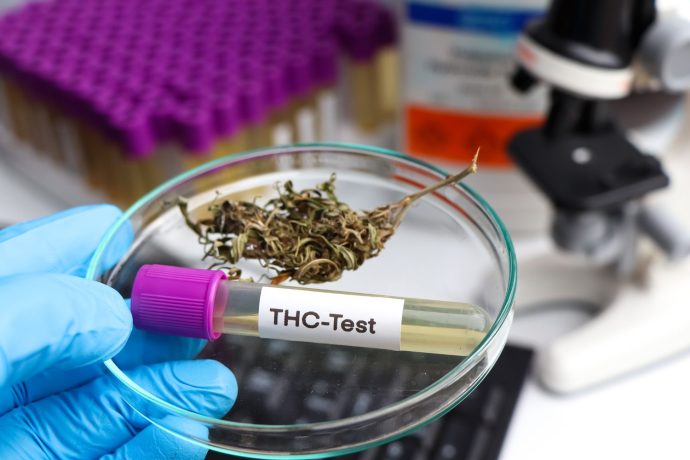
What Is THC Absorption?
It refers to the process by which tetrahydrocannabinol (THC)—the primary psychoactive compound in cannabis—enters the bloodstream and begins interacting with the body’s endocannabinoid system. The efficiency of THC absorption directly affects how strong, how fast, and how long cannabis effects are felt.
Understanding THC absorption can help consumers make informed decisions about consumption methods, dosing, and product selection to optimize their overall experience.
Why it Matters
The level of absorption determines:
- How quickly effects begin
- The intensity of the high
- The duration of effects
- Overall bioavailability
Bioavailability refers to the percentage of THC that actually reaches systemic circulation. Different consumption methods result in dramatically different THC absorption rates.
For example:
- Smoking or vaping: ~10–35% bioavailability
- Edibles: ~4–12% bioavailability
- Sublingual tinctures: Higher than edibles, but variable
- Topicals: Minimal systemic absorption
Optimizing THC absorption can improve efficiency, reduce waste, and enhance the overall cannabis experience.
How THC Is Absorbed in the Body
To understand THC absorption, it’s important to understand how THC interacts with the body.
THC is lipophilic, meaning it binds to fat molecules rather than water. Once absorbed, THC travels through the bloodstream and binds primarily to CB1 receptors in the brain and nervous system.
The method of consumption determines how THC enters the bloodstream:
- Inhalation: Through the lungs
- Oral ingestion: Through the digestive system and liver
- Sublingual: Through blood vessels under the tongue
- Topical: Through the skin
Each route significantly changes THC absorption efficiency.
THC Absorption by Consumption Method
1. Smoking and Vaping
Smoking and vaping provide the fastest absorption. When inhaled, THC enters the lungs and rapidly passes into the bloodstream.
Onset time: 2–10 minutes
Peak effects: 30–60 minutes
Duration: 2–4 hours
Because THC bypasses the digestive system, inhalation allows for more immediate effects and easier dose control.
2. Edibles and Oral Consumption
Edibles produce delayed but longer-lasting effects because THC must pass through the digestive tract and liver before entering circulation.
During this process, THC is converted into 11-hydroxy-THC, a metabolite that may produce stronger psychoactive effects.
Onset time: 30–120 minutes
Duration: 6–8+ hours
Bioavailability: Lower compared to inhalation
Although THC absorption from edibles is less efficient, the effects are often more intense and prolonged.
3. Sublingual Tinctures
Sublingual products are absorbed under the tongue through mucous membranes.
Onset time: 15–45 minutes
Duration: 4–6 hours
Proper use (holding under the tongue for 60–90 seconds) can improve absorption compared to swallowing immediately.
4. Cannabis Oils and Capsules
Capsules behave similarly to edibles. THC absorption depends heavily on digestion and fat content in the stomach.
Taking capsules with dietary fats can enhance absorption due to THC’s fat-soluble nature.
Factors That Affect
Several variables influence THC absorption and bioavailability.
1. Body Composition
THC binds to fat cells. Individuals with higher body fat percentages may experience different absorption and storage patterns compared to lean individuals.
2. Metabolism
Faster metabolisms may process THC more quickly, affecting intensity and duration.
3. Tolerance Levels
Frequent cannabis users may require higher doses to achieve similar effects due to receptor desensitization.
4. Product Quality
The purity, terpene content, and extraction quality of cannabis products significantly impact THC absorption and effectiveness.
Lab-tested, high-quality cannabis ensures consistent cannabinoid levels and fewer contaminants.
How to Enhance
If your goal is maximizing THC absorption, consider the following strategies:
1. Consume THC with Healthy Fats
Because THC is fat-soluble, consuming it alongside fats like:
- Avocado
- Nuts
- Coconut oil
- Olive oil
may enhance absorption when using edibles or capsules.
2. Choose High-Quality Products
Premium cannabis products often have better cannabinoid preservation and terpene profiles, which may influence the entourage effect and overall experience.
3. Optimize Sublingual Use
When using tinctures:
- Shake the bottle well
- Hold under the tongue for at least 60 seconds
- Avoid eating or drinking immediately afterward
This increases direct bloodstream absorption.
4. Inhale Properly
For smoking or vaping:
- Take slow, controlled inhalations
- Hold briefly (without overdoing it)
- Exhale gently
Technique can influence how efficiently THC is absorbed through the lungs.
5. Maintain Gut Health
For edible users, gut health affects THC absorption. Proper digestion supports better bioavailability.
Benefits of Optimizing THC Absorption
Improving absorption can provide several benefits:
Stronger Effects with Lower Doses
Better absorption means you may require less product to achieve desired results.
Cost Efficiency
Maximizing bioavailability reduces waste and stretches product usage.
More Consistent Experiences
Understanding THC absorption helps you predict onset, duration, and intensity more accurately.
Improved Medical Outcomes
For medical cannabis patients, optimized THC absorption may support:
- Pain management
- Appetite stimulation
- Nausea relief
- Sleep support
- Stress reduction
Consistency is particularly important for therapeutic use.
The Entourage Effect
THC doesn’t work alone. Terpenes and other cannabinoids influence how THC interacts with the body.
Full-spectrum products may enhance overall effectiveness due to the entourage effect, which may improve perceived potency even if THC absorption levels remain similar.
THC Absorption vs. CBD Absorption
While THC is psychoactive, CBD is not intoxicating. Both are fat-soluble cannabinoids, and many absorption principles overlap.
However, THC binds more strongly to CB1 receptors, producing noticeable effects even at lower absorbed levels.
Common Myths
Myth 1: Holding smoke longer increases THC absorption.
Most THC is absorbed within seconds. Prolonged holding mainly increases exposure to byproducts.
Myth 2: Higher THC percentage always equals stronger effects.
Bioavailability, tolerance, and terpene profile also matter.
Myth 3: Edibles don’t work for some people.
Variations in metabolism and liver enzymes affect absorption rates.
Choosing the Right Cannabis Products
To maximize THC absorption and overall experience, selecting reliable, lab-tested cannabis products is essential.
When shopping online, look for:
- Verified lab results
- Clear THC percentage labeling
- Transparent sourcing
- Positive customer reviews
- Secure ordering and shipping policies
For high-quality cannabis products, reliable service, and a wide selection of premium strains, edibles, concentrates, and tinctures, West Coast Cannabis stands out as one of the best online dispensaries. Their commitment to product quality and customer satisfaction makes them a trusted option for cannabis consumers seeking consistency and potency.
Final Thoughts
Understanding THC absorption is key to getting the most from your cannabis experience. Whether you prefer smoking, vaping, edibles, or tinctures, bioavailability plays a major role in how THC affects your body.
By optimizing consumption methods, pairing THC with healthy fats, and choosing premium cannabis products, you can enhance bioavailability and achieve more consistent, effective results.
As cannabis research continues to expand, knowledge about THC absorption will help consumers make smarter, more informed decisions—leading to better experiences and greater satisfaction.