Cannabis has long been associated with relaxation, sensory awareness, and changing perceptions of everyday experiences. As cannabis becomes increasingly mainstream, another conversation is receiving more attention: Cannabis and Intimacy. Some adults report that cannabis helps them relax, become more present with their partner, or experience touch and other sensations differently.
The relationship between cannabis and sexual experiences is highly individual, however. THC, CBD, dosage, tolerance, mood, environment, and relationship dynamics can all influence the outcome. While some people report positive experiences, others may notice anxiety, distraction, reduced motivation, or other unwanted effects.
Understanding how cannabis may affect intimacy can help adults make more informed decisions while keeping communication, consent, moderation, and safety at the centre of the experience.
Understanding Cannabis and Intimacy
The connection between Cannabis and Intimacy isn’t as simple as cannabis automatically improving sex. Cannabis affects people differently, and even the same person can experience different effects depending on the product and circumstances.
THC is the primary intoxicating cannabinoid in cannabis. It can influence mood, perception, attention, and sensory processing. CBD doesn’t create the traditional THC high and may produce a substantially different experience.
Cannabis also contains aromatic compounds called terpenes. Together with cannabinoids, these contribute to the distinctive characteristics of different cannabis products.
For couples interested in cannabis as part of their intimate lives, finding a comfortable experience generally matters more than choosing the strongest product available.
Cannabis May Help Create a Relaxed Atmosphere
One commonly reported reason adults combine Cannabis and Intimacy is relaxation.
Stress can make it difficult to disconnect from everyday responsibilities and focus on a partner. Some cannabis consumers report feeling calmer after using modest amounts, potentially making it easier to transition into a relaxed evening.
This doesn’t happen universally. Higher quantities of THC can sometimes produce the opposite response, including nervousness, racing thoughts, or paranoia.
For this reason, familiarity with the product and personal tolerance is important. An intimate evening isn’t necessarily the best occasion to experiment with an unexpectedly potent cannabis product.
Heightened Awareness of Touch and Sensation
Cannabis can alter sensory perception, which is another reason it has become associated with intimacy.
Some adults report becoming more attentive to touch, music, aromas, warmth, and their surroundings after consuming cannabis. Experiences that normally seem familiar may temporarily feel more noticeable.
This heightened sensory awareness may contribute to the connection some people describe between Cannabis and Intimacy.
However, stronger isn’t always better. Excessive THC can make someone feel distracted, uncomfortable, dizzy, or overly intoxicated instead of more engaged.
The objective should be a comfortable shared experience rather than maximum intoxication.
Being More Present With Your Partner
Intimacy involves considerably more than physical sensation.
Emotional presence, trust, communication, affection, and feeling comfortable together are equally important. Some cannabis users describe becoming less preoccupied with everyday distractions and more focused on the immediate experience.
This may encourage relaxed conversation, cuddling, listening to music, massage, or simply spending uninterrupted time together.
In this sense, Cannabis and Intimacy can be viewed as part of a broader atmosphere rather than cannabis being the central activity.
The quality of the relationship and communication between partners will generally matter much more than the particular cannabis strain being consumed.
Cannabis and Sexual Desire
Cannabis and libido have a complicated relationship.
Some consumers report increased sexual interest after consuming cannabis, while others experience little change or even reduced desire.
Research has examined associations between cannabis consumption and sexual function, but individual responses vary considerably. Factors such as THC dose, frequency of use, biological differences, medications, stress, and relationship circumstances can all affect sexual desire.
Cannabis therefore shouldn’t be treated as a guaranteed aphrodisiac.
For couples exploring Cannabis and Intimacy, paying attention to personal reactions is more useful than assuming a specific strain will automatically increase libido.

THC vs. CBD for Intimate Moments
THC and CBD can provide very different experiences.
THC produces intoxication and can alter sensory perception, mood, and time perception. Some consumers enjoy these effects during relaxed intimate moments.
CBD doesn’t cause the same intoxicating high. Products containing CBD or balanced ratios of THC and CBD may appeal to adults who prefer a milder experience.
Balanced products can be particularly worth considering for people who find high-THC cannabis overwhelming.
The ideal cannabinoid ratio is personal. Someone with significant THC tolerance may respond very differently from an occasional consumer.
Does Strain Choice Matter?
Cannabis shoppers frequently encounter indica, sativa, and hybrid classifications. These labels can provide broad product context but aren’t reliable predictors of exactly how someone will feel.
Cannabinoid concentration and terpene composition often provide more useful information.
A consumer seeking a relaxing evening might prefer cannabis with moderate THC rather than an extremely potent concentrate. Someone wanting to remain conversational and engaged may similarly prefer a manageable amount.
When combining Cannabis and Intimacy, predictability can be valuable. Products you’ve used previously may be preferable to trying something exceptionally potent for the first time.
Terpenes and the Overall Experience
Terpenes contribute significantly to cannabis aroma and flavour.
Limonene provides citrus-like characteristics, while myrcene is commonly associated with earthy and herbal aromas. Linalool contributes floral notes, and beta-caryophyllene produces spicy, peppery characteristics.
Terpenes are frequently marketed with very specific wellness claims, but scientific evidence doesn’t support assuming that one terpene will reliably produce a particular sexual or emotional effect.
Instead, consumers can use terpene profiles to find cannabis with aromas and flavours they enjoy.
Creating a pleasant sensory environment can itself complement intimate moments.
Different Ways to Incorporate Cannabis
Adults exploring Cannabis and Intimacy have several cannabis formats available.
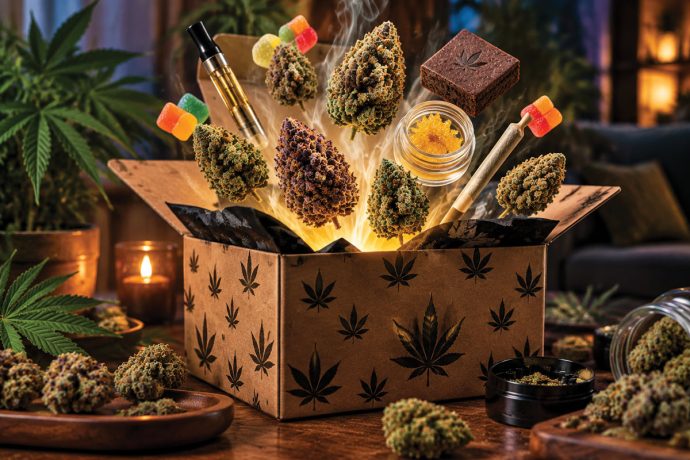
Flower provides a traditional experience with relatively rapid onset when inhaled. Vaporizers are another inhaled option and may produce less persistent aroma than smoking, although vaping isn’t risk-free.
Edibles avoid inhalation but require additional caution. Their effects can take considerably longer to appear and may last for hours. Consuming additional THC before the initial serving takes effect can lead to an unexpectedly intense experience.
Cannabis oils offer another option, while cannabis-infused topical products are also increasingly marketed within adult wellness categories.
Always follow product directions and understand whether a topical is intended strictly for external use.
Why Dosage Matters
Dosage is arguably one of the most important factors when discussing Cannabis and Intimacy.
A modest amount of THC may feel relaxing to one person, while a larger amount can produce uncomfortable intoxication.
Potential effects of excessive THC include dizziness, nausea, anxiety, confusion, impaired coordination, and difficulty concentrating.
Those effects can quickly undermine the relaxed atmosphere someone was hoping to create.
Adults new to cannabis should therefore approach THC cautiously. Having more experience with a particular product can also make its effects more predictable.
Communication and Consent Come First
Cannabis should never replace clear communication between partners.
Both people should willingly agree to cannabis consumption and any intimate activity. Intoxication can affect judgment and communication, and a person who is too impaired to provide meaningful consent shouldn’t participate in sexual activity.
Partners should also feel comfortable changing their minds at any time.
Talking beforehand about preferences, limits, cannabis tolerance, and expectations can help create a safer and more comfortable environment.
When Cannabis and Intimacy are combined responsibly, cannabis should complement mutual communication—not interfere with it.
Create a Comfortable Environment
Setting can influence a cannabis experience.
A familiar, private environment can feel more comfortable than an unfamiliar or unpredictable location. Soft lighting, comfortable temperatures, music, water, and an unhurried schedule can contribute to relaxation.
Avoid situations where either partner will need to drive after consuming THC.
Keeping water nearby can also be helpful because cannabis commonly causes dry mouth.
Ultimately, the surrounding atmosphere can be just as important as the cannabis product itself.
Potential Drawbacks to Consider
Cannabis doesn’t improve intimacy for everyone.
THC may cause anxiety or self-consciousness in some people. Others may become sleepy, distracted, or less interested in sexual activity.
Cannabis can also cause dry mouth and may contribute to physical dryness for some consumers. Individual reactions vary.
People taking medications or managing medical conditions should consult an appropriate healthcare professional when cannabis could present interactions or additional risks.
Mixing cannabis with significant amounts of alcohol can also increase impairment and make the experience less predictable.
Benefits of a Thoughtful Cannabis and Intimacy Routine
For adults who respond positively to cannabis, the potential appeal of Cannabis and Intimacy may include relaxation, greater sensory awareness, a different appreciation of touch, and feeling more present during shared moments.
However, cannabis isn’t what creates meaningful intimacy.
Trust, affection, communication, consent, and compatibility remain the foundation. Cannabis is simply something some adults choose to incorporate into that environment.
Taking a thoughtful approach—including selecting familiar products, using manageable amounts, and communicating openly—can help reduce unwanted surprises.
Final Thoughts on Cannabis and Intimacy
The relationship between Cannabis and Intimacy is personal and complex. Some adults find that cannabis contributes to relaxation, sensory awareness, and connection, while others may experience little benefit or find THC distracting.
Choosing the right product, understanding personal tolerance, and avoiding excessive consumption are essential. Most importantly, cannabis should never compromise communication or consent.
For Canadian adults of legal age interested in exploring cannabis products for relaxed intimacy moments, West Coast Cannabis offers an online selection that includes different strains, edibles, oils, vapes, and other cannabis formats. Consumers can compare cannabinoid profiles and product types to find options suited to their individual preferences and experience levels.
When approached thoughtfully and responsibly, Cannabis and Intimacy can be less about getting intensely high and more about slowing down, enjoying the moment, and creating meaningful connection with a consenting partner.