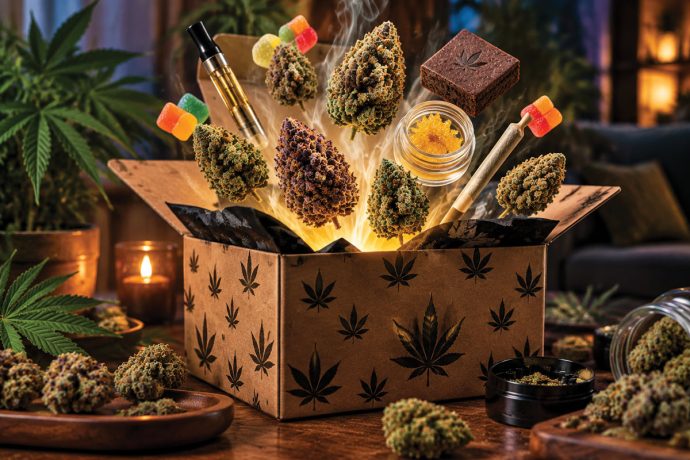
Interest in Cannabis for Seniors has grown as older adults become more curious about cannabis products, cannabinoids, terpenes, and their potential role in relaxation and general wellness. Today’s cannabis market is also dramatically different from what many seniors may remember, offering carefully labelled flower, oils, capsules, edibles, topicals, and products with varying ratios of THC and CBD.
For older adults, however, choosing cannabis shouldn’t simply be about finding the strongest strain. Potency, cannabinoid balance, terpene profile, consumption method, medications, and individual sensitivity can all influence the experience.
This guide explores popular strains and terpenes associated with different cannabis effects while explaining what seniors should consider before introducing cannabis into their routine.
Why Is Cannabis Becoming More Popular Among Seniors?
Changing attitudes and legalization have made cannabis considerably more accessible and openly discussed in Canada.
Some older adults are interested in cannabis primarily for relaxation, while others may be curious about its potential effects on comfort, mood, appetite, or sleep. Researchers continue to investigate cannabinoids for numerous therapeutic applications, although the strength of evidence varies depending on the condition and product.
Another reason Cannabis for Seniors is receiving attention is the variety of modern products available. Smoking flower is no longer the only familiar format.
Seniors can encounter products containing predominantly CBD, predominantly THC, or combinations of both. Understanding these differences can help people make more informed decisions.
THC vs. CBD: What’s the Difference?
They are two of the best-known cannabinoids found in cannabis.
THC is primarily responsible for cannabis intoxication. Depending on the amount and individual, it may produce relaxation, euphoria, altered sensory perception, increased appetite, and changes in mood. Higher amounts can also cause dizziness, anxiety, confusion, impaired coordination, or an uncomfortable level of intoxication.
CBD doesn’t produce the same intoxicating high associated with THC. This makes CBD-dominant or balanced THC/CBD products attractive to some older consumers interested in cannabis without pronounced intoxication.
When considering Cannabis for Seniors, starting with lower THC levels is generally more cautious than choosing extremely potent products.
Understanding Cannabis Terpenes
Cannabinoids aren’t the only compounds responsible for the characteristics of cannabis.
Terpenes are aromatic compounds found naturally in cannabis and many familiar plants. They produce the citrus, pine, floral, spicy, earthy, and fruity aromas associated with different strains.
While marketing sometimes assigns very specific therapeutic benefits to individual terpenes, research into their effects in humans remains developing. Terpene profiles are nevertheless useful for distinguishing the aroma and overall character of cannabis cultivars.
Several terpenes commonly encountered in cannabis include myrcene, limonene, linalool, pinene, and beta-caryophyllene.

Myrcene: Earthy and Herbal
Myrcene is one of the most recognizable cannabis terpenes and is associated with earthy, herbal, and slightly musky aromas.
It also occurs naturally in plants such as hops and lemongrass.
Cannabis varieties rich in myrcene are often marketed as relaxing, which can appeal to seniors looking for flower suited to quieter evenings. However, the actual experience depends on the complete cannabinoid and terpene profile rather than one terpene alone.
Older adults sensitive to sedating effects should be particularly cautious, especially when standing or walking after consuming THC.
Linalool: Floral and Aromatic
Linalool is recognizable for its floral aroma and is also naturally present in lavender.
For this reason, linalool-rich cannabis strains are frequently associated in consumer descriptions with calm and relaxation.
A strain containing noticeable linalool may appeal to someone who prefers softer floral cannabis aromas rather than strong diesel or skunk characteristics.
When evaluating Cannabis for Seniors, aroma preferences can be surprisingly useful. Enjoying the sensory profile of a product can make the overall experience more pleasant without requiring exceptionally high THC concentrations.
Limonene: Bright Citrus Aroma
Limonene contributes citrus-like aromas reminiscent of lemons and oranges.
Cannabis strains containing significant limonene are commonly described as bright, fresh, and uplifting. This makes them popular among consumers who prefer lively terpene profiles.
Limonene shouldn’t automatically be interpreted as stimulating, however. The effects of a strain depend on its complete chemical composition and the amount consumed.
For seniors, the practical approach is to consider both THC concentration and terpene information rather than choosing cannabis solely because a particular terpene is present.
Pinene: Fresh and Pine-Like
As its name suggests, pinene produces a fresh aroma reminiscent of pine forests.
Pinene occurs throughout nature, including in pine needles, rosemary, and other plants.
Cannabis consumers sometimes associate pinene-rich varieties with a clearer or more alert experience, although individual responses differ.
Seniors who dislike intensely sweet strains may appreciate cannabis with fresh pine, herbal, or woody characteristics.
Beta-Caryophyllene: Peppery and Spicy
Beta-caryophyllene is responsible for spicy and pepper-like aromas and can also be found in black pepper, cloves, and several herbs.
It’s particularly interesting because it interacts with cannabinoid CB2 receptors, unlike most terpenes.
Research continues into its biological properties, but consumers shouldn’t interpret this as proof that caryophyllene-rich cannabis treats specific medical conditions.
Instead, think of it as one component contributing to the distinctive character of certain cannabis strains.
Best Cannabis Strains for Seniors to Consider
There isn’t a single “best” strain for every senior.
A better strategy is selecting cannabis according to desired potency, cannabinoid ratio, terpene profile, and personal tolerance.
For example, Harlequin is commonly recognized as a CBD-rich cultivar and may appeal to people who prefer a more balanced cannabinoid profile.
Cannatonic is another strain frequently associated with notable CBD content, although cannabinoid concentrations vary by producer and batch.
For people comfortable with THC, Blue Dream is a widely recognized hybrid with sweet berry and herbal characteristics. Granddaddy Purple is another famous cultivar often associated with relaxing evening use and grape-like flavours.
These names shouldn’t be treated as guarantees. Always check the cannabinoid information on the actual product because two batches carrying the same strain name can have different THC, CBD, and terpene concentrations.
Cannabis for Relaxation
Relaxation is one of the most common reasons adults choose cannabis recreationally.
For seniors seeking a calmer evening experience, lower-potency THC flower or balanced THC/CBD products may be easier to manage than extremely potent cannabis.
Strains marketed as indica or indica-dominant are frequently associated with relaxation, but indica and sativa labels don’t reliably predict effects on their own.
A product’s THC concentration, CBD content, terpene composition, amount consumed, and individual sensitivity provide more meaningful information.
Cannabis and Sleep
Some consumers report that THC-containing cannabis makes them feel sleepy, which explains why cannabis is sometimes incorporated into nighttime routines.
However, cannabis isn’t a universal solution for insomnia, and its effects on sleep can vary.
Older adults experiencing persistent sleep problems should discuss them with a healthcare professional because sleep difficulties can have many underlying causes.
THC can also produce next-day effects in some people, particularly after consuming larger quantities or edible products.
Choosing the Right Consumption Method
Another important aspect of Cannabis for Seniors is the method of consumption.
Smoking and vaping produce effects relatively quickly, making it easier to notice how the body is responding before consuming more. However, inhalation may not be appropriate for people with respiratory concerns.
Edibles avoid smoke but require additional caution because effects are delayed and can last substantially longer. Taking additional THC because an edible “isn’t working yet” is a common way people accidentally consume too much.
Oils and capsules can provide measured quantities but may also have delayed effects.
Cannabis topicals are another category and generally provide a very different experience from inhaled or ingested cannabis.
Why Seniors Should Start Low and Go Slow
The principle of “start low and go slow” is particularly relevant when discussing Cannabis for Seniors.
Older adults may be more susceptible to dizziness, impaired balance, changes in blood pressure, confusion, or sedation. These effects could potentially increase fall risk.
Cannabis can also interact with certain medications.
Anyone taking prescription medications—particularly multiple medications—should speak with a physician or pharmacist before using cannabis. A healthcare professional can assess possible interactions based on the individual’s medication list and medical history.
Beginners should avoid assuming that higher THC automatically means a better product. For many people, a lower amount produces a more comfortable and manageable experience.

What to Look for When Shopping for Cannabis
Product transparency matters when selecting cannabis.
Look for clearly identified THC and CBD concentrations, strain information, and terpene details when available. Knowing what’s in a product makes it easier to compare experiences and avoid unexpectedly strong cannabis.
Seniors new to THC may want to prioritize lower-potency or balanced THC/CBD options before considering stronger flower, concentrates, or infused products.
Keeping notes about the product, cannabinoid concentration, amount used, and personal experience can also help identify individual preferences over time.
Final Thoughts on Cannabis for Seniors
The increasing interest in Cannabis for Seniors reflects a broader shift in attitudes toward cannabis and healthy aging. Today’s consumers have access to an enormous range of cannabinoid ratios, terpene profiles, strains, and consumption methods, making a personalized approach more practical than ever.
Popular cultivars such as Harlequin, Cannatonic, Blue Dream, and Granddaddy Purple provide examples of the diversity available, while terpenes such as myrcene, limonene, linalool, pinene, and beta-caryophyllene contribute distinctive aromas and characteristics.
For seniors, potency and safety should take priority over trends. Start with modest THC levels, understand the product you’re using, avoid driving after consuming intoxicating cannabis, and consult a healthcare professional when medications or health conditions could create additional concerns.
For Canadian adults of legal age looking to explore Cannabis for Seniors, West Coast Cannabis offers a broad online selection of cannabis products, including different flower strains and cannabinoid profiles. Compare current product information carefully and choose options appropriate for your individual experience and tolerance. Responsible, informed selection is the best foundation for finding a cannabis experience that fits your preferences.