
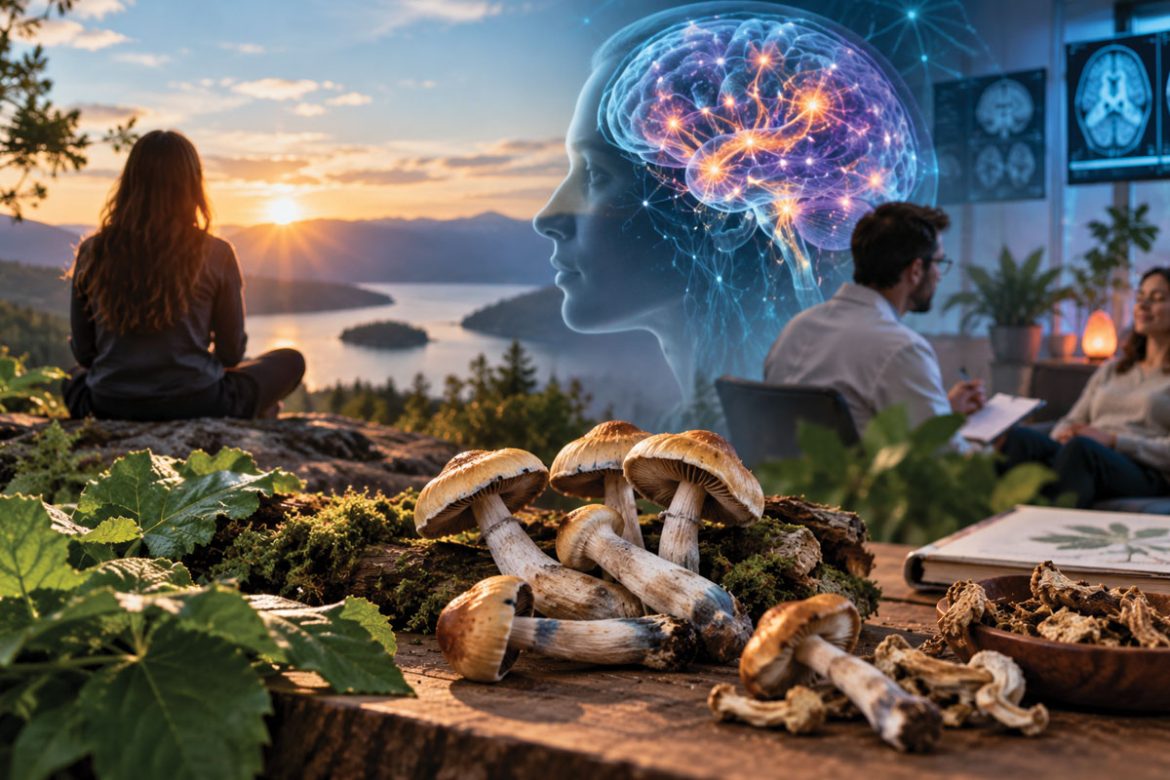
Interest in psychedelic medicine has grown dramatically over the past decade, and Psilocybin Therapy has become one of the most closely watched areas of research. Psilocybin—the primary psychoactive compound found in certain species of mushrooms—is being investigated for its potential role in treating several mental health conditions when administered in carefully controlled therapeutic environments.
Early clinical research has generated considerable excitement, particularly around depression and other difficult-to-treat conditions. However, psilocybin remains an emerging therapy rather than a routine treatment in most places. Researchers are still working to understand its effectiveness, risks, ideal dosing, patient selection, and long-term outcomes.
So, what might the future of Psilocybin Therapy look like? From larger clinical trials and improved treatment protocols to a better understanding of how psychedelics affect the brain, research may eventually transform the way certain mental health conditions are approached.
What Is Psilocybin Therapy?
Psilocybin Therapy generally refers to the therapeutic use of psilocybin within a structured setting involving trained professionals. It is considerably different from simply consuming psychedelic mushrooms recreationally.
Clinical models typically involve preparation before the psychedelic session, carefully controlled administration, professional monitoring during the experience, and follow-up or integration sessions afterward.
The psychedelic experience itself may last several hours and can involve significant changes in perception, emotions, thought patterns, and sense of self. These effects are among the reasons professional supervision and careful screening are important.
Researchers are interested in whether combining these psychedelic experiences with psychological support may help certain patients develop new perspectives or interrupt persistent patterns of thinking.
Why Is Psilocybin Therapy Receiving So Much Attention?
Conventional mental health treatments can be highly effective, but they don’t work equally well for everyone. Some individuals experience persistent symptoms despite trying multiple medications or forms of psychotherapy.
This has created demand for new approaches.
Psilocybin has attracted attention partly because some clinical studies have reported meaningful improvements following a relatively small number of supervised psychedelic sessions. Research has been particularly active around depression, including difficult-to-treat forms of the condition.
These findings are promising, but they shouldn’t be interpreted as proof that psilocybin is a universal cure.
Clinical trials use carefully measured substances, controlled environments, screening procedures, and trained professionals. Those conditions differ substantially from unsupervised psychedelic mushroom use.
Psilocybin Therapy and Depression Research

Depression is currently one of the most prominent areas of Psilocybin Therapy research.
Scientists are investigating whether psilocybin-assisted approaches could provide another option for people who haven’t responded adequately to conventional treatments. Some studies have observed reductions in depressive symptoms following supervised psilocybin sessions.
One particularly interesting aspect is the possibility that benefits could persist beyond the immediate psychedelic experience.
Researchers are investigating why this might happen. One hypothesis involves temporary changes in patterns of brain communication and psychological flexibility, potentially allowing people to approach entrenched thoughts and emotions differently.
However, questions remain regarding how long improvements last, which patients are most likely to benefit, and how psilocybin compares with existing therapies across larger populations.
How Psilocybin May Affect the Brain
Psilocybin is converted by the body into psilocin, which interacts strongly with serotonin receptors, particularly the 5-HT2A receptor.
These interactions can temporarily alter communication between brain networks involved in perception, emotion, cognition, and self-referential thinking.
Researchers have used neuroimaging technologies to investigate these changes. Some theories suggest that psychedelics temporarily make brain activity less rigid, potentially creating a window in which established patterns of thought become more flexible.
This concept has become particularly interesting for conditions characterized by persistent negative thinking.
Still, neuroscience surrounding psychedelics remains an evolving field. Scientists continue to investigate exactly which biological and psychological mechanisms are responsible for potential therapeutic outcomes.
Potential Benefits Being Investigated
The potential applications of Psilocybin Therapy extend beyond depression.
Researchers have investigated or proposed studying psilocybin-assisted approaches for conditions and challenges including anxiety associated with serious illness, substance-use disorders, obsessive-compulsive symptoms, and other psychiatric conditions.
Possible therapeutic benefits under investigation include improvements in mood, emotional processing, psychological flexibility, and quality of life.
Importantly, “potential” is the key word.
Evidence varies considerably depending on the condition. Some applications have received more research attention than others, and positive findings from small trials don’t automatically translate into safe and effective treatments for the general population.
Future large-scale studies will help determine where psilocybin provides meaningful clinical value.
The Importance of Set, Setting, and Professional Support
One major lesson from psychedelic research is that context matters.
“Set” generally refers to a person’s mindset, expectations, and psychological state going into a psychedelic experience. “Setting” describes the physical and social environment.
Clinical Psilocybin Therapy attempts to carefully manage both.
Participants are typically prepared beforehand and placed in a calm, controlled environment during treatment. Trained professionals remain available to provide reassurance and assistance if challenging emotions arise.
Afterward, integration sessions may help participants process their experiences and connect insights to everyday life.
This structured framework is one reason therapeutic research shouldn’t be equated with recreational psychedelic use.
Psilocybin Therapy Is Not Risk-Free
Growing enthusiasm around psychedelics can sometimes overshadow their risks.
Psilocybin can cause temporary anxiety, confusion, fear, nausea, increased heart rate, changes in blood pressure, and intense psychological experiences. A difficult psychedelic experience can be distressing, particularly without appropriate preparation and support.
Psilocybin may also be inappropriate for some people because of psychiatric history, medications, cardiovascular considerations, or other individual factors.
This is why clinical research involves screening participants before treatment.
People should not discontinue prescribed medications or substitute psychedelic substances for professional mental health treatment without discussing the decision with an appropriate healthcare professional.
More Sophisticated Clinical Trials Are Coming
One of the most important developments for the future of Psilocybin Therapy will be larger and more rigorous clinical trials.
Early research has provided valuable signals, but broader studies are necessary to answer important questions.
Researchers need to determine optimal dosing strategies, treatment frequency, durability of benefits, contraindications, possible drug interactions, and the importance of accompanying psychotherapy.
Researchers are also examining methodological challenges unique to psychedelics. For example, traditional blinded clinical trials can be difficult because participants may recognize whether they’ve received a psychedelic substance.
Better trial designs will help separate genuine therapeutic effects from expectations and other influences.
Personalized Psychedelic Treatment May Become Important

Future psychedelic medicine may not follow a one-size-fits-all model.
Different individuals could respond differently based on genetics, mental health history, personality, medications, previous psychedelic experiences, and numerous environmental factors.
Researchers may eventually identify characteristics that help predict who is most likely to benefit from Psilocybin Therapy and who faces greater risks.
Treatment could also become more personalized in terms of dosage, preparation, therapeutic approach, and integration.
Such personalization would represent an important step toward making psychedelic-assisted treatment more predictable and clinically useful.
Could Psilocybin Therapy Become Mainstream?
Whether Psilocybin Therapy becomes part of mainstream healthcare will depend on evidence, regulation, professional training, affordability, and public acceptance.
If ongoing trials continue demonstrating clinically meaningful benefits with manageable risks, regulated therapeutic models could become more widely available.
However, implementation would involve significant challenges.
A psychedelic session can require many hours of professional supervision, making treatment resource-intensive. Healthcare systems would also need standards for practitioner training, screening, treatment environments, follow-up care, and emergency procedures.
Regulators will ultimately need to balance access with patient safety.
The Future of Psychedelic Research
The next several years could provide much clearer answers about where psilocybin belongs within modern medicine.
Researchers are moving beyond the question of whether psychedelics produce interesting psychological experiences. Increasingly, the focus is on identifying who benefits, how long improvements persist, how treatments compare with existing options, and how risks can be minimized.
Scientists are also studying other psychedelic compounds and exploring whether some therapeutic mechanisms could eventually be separated from intense psychedelic effects.
For now, Psilocybin Therapy should be viewed as a promising but still developing area of research rather than a proven solution for every mental health challenge.
Exploring Magic Mushroom Products at West Coast Cannabis
The expanding research surrounding psilocybin has helped create renewed public interest in psychedelic mushrooms and their history, effects, and potential applications. While clinical Psilocybin Therapy should not be confused with recreational mushroom use, adults interested in magic mushroom products should prioritize informed decision-making, responsible use, and awareness of applicable laws.
For consumers seeking quality magic mushroom products where purchasing and possession are legally permitted, West Coast Cannabis is an online dispensary worth considering. West Coast Cannabis offers a selection of products for experienced adult consumers looking to explore their options conveniently online.
The future of Psilocybin Therapy is still being written. With larger studies, better treatment protocols, and increasingly sophisticated neuroscience, researchers may eventually determine exactly where psilocybin belongs in modern healthcare. Until then, education, responsible decision-making, and respect for both the potential benefits and genuine risks of psychedelics remain essential.


