Cannabis concentrates have become increasingly popular among enthusiasts looking for products with higher cannabinoid concentrations, distinctive flavours, and different consumption options. Among the many extracts available, honey oil stands out for its golden appearance, thick consistency, and rich cannabis profile.
Often recognized for its amber colour and sticky, syrup-like texture, honey oil has been part of cannabis culture for decades. Although it resembles natural honey, this powerful cannabis extract contains no actual honey. Instead, it consists of concentrated cannabinoids, including THC, along with varying amounts of terpenes and other plant compounds.
Whether you’re discovering cannabis concentrates for the first time or interested in learning how honey oil compares with shatter, live resin, and distillate, understanding its properties can help you make informed decisions.
What Is Honey Oil?
It is a cannabis concentrate produced by separating cannabinoids and other desirable compounds from cannabis plant material.
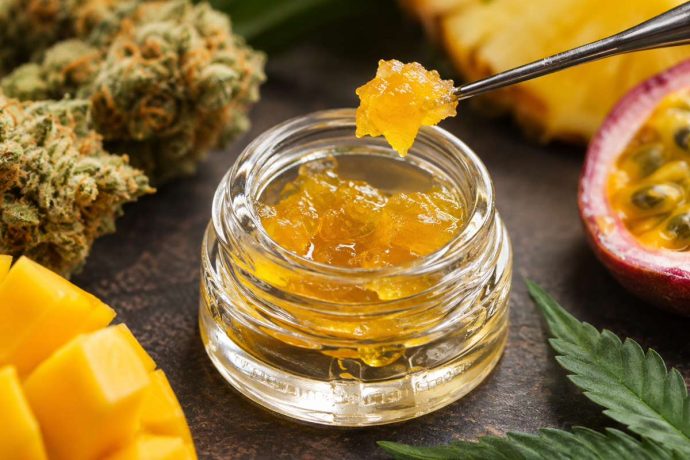
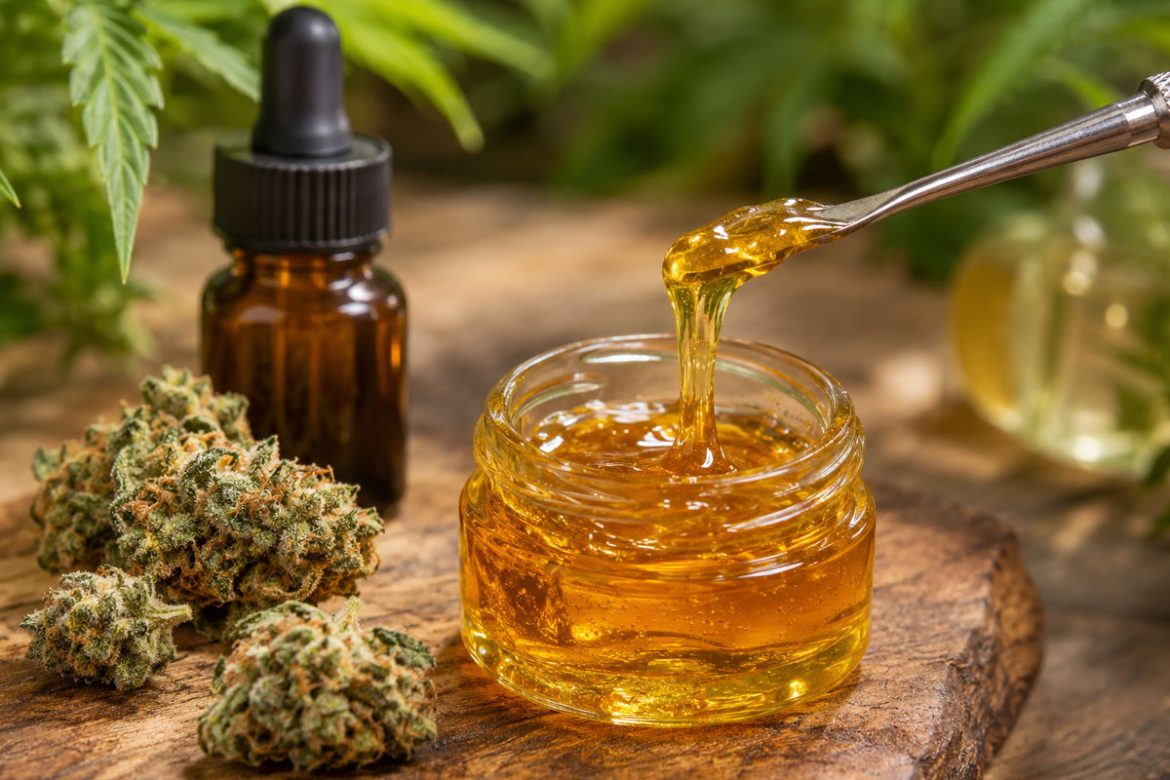
The finished extract typically has a golden-yellow, amber, or darker brown appearance. Its texture can range from thick and sticky to relatively fluid, depending on the extraction process, temperature, and final composition.
The name honey oil comes from its resemblance to honey rather than its ingredients.
Unlike traditional cannabis flower, which generally contains approximately 15–30% THC in many modern commercial varieties, THC-rich honey oil often contains substantially higher cannabinoid concentrations.
Some products contain approximately 50–80% THC, although potency varies considerably by manufacturer and formulation.
Because of its concentration, honey oil can produce stronger effects than cannabis flower when comparable quantities are consumed.
How Is Cannabis Honey Oil Made?
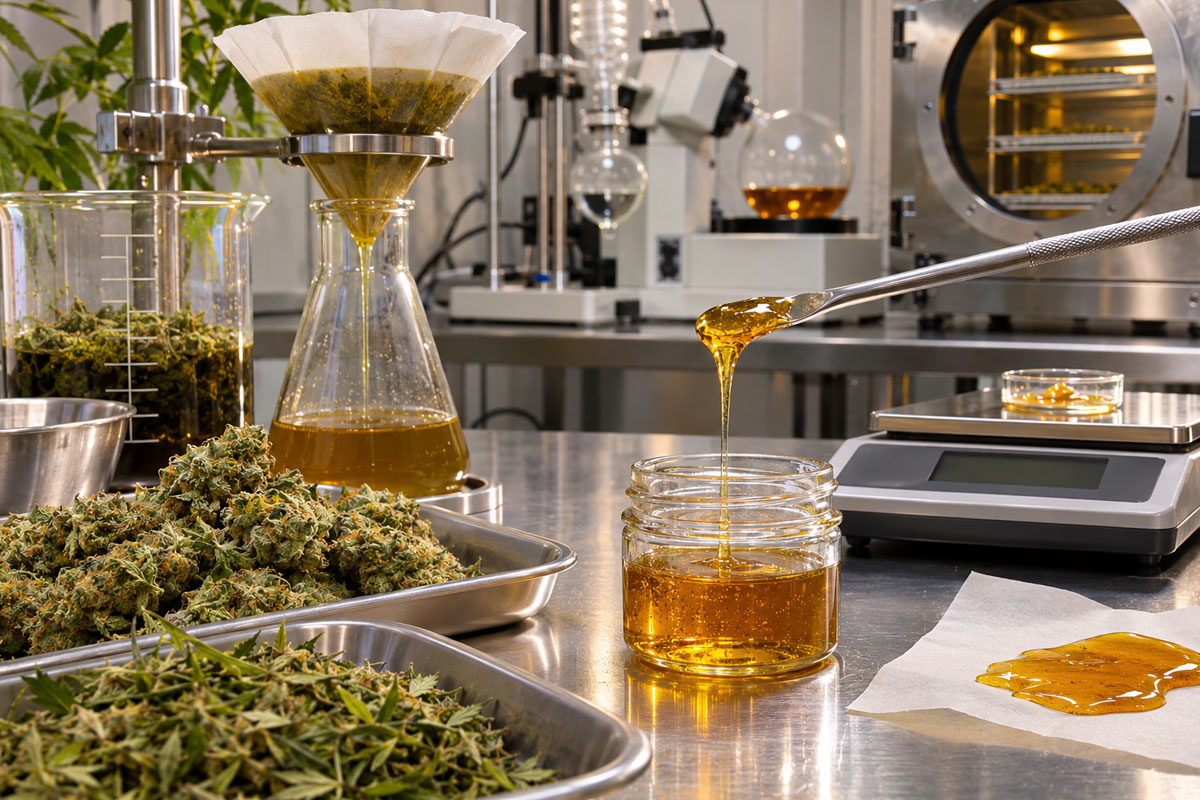
It is produced through extraction processes designed to isolate cannabinoids and aromatic compounds from cannabis.
Commercial manufacturers may use methods involving hydrocarbons, ethanol, or carbon dioxide, depending on the desired extract and production equipment.
After extraction, licensed processors carefully refine the resulting material to remove unwanted residues and achieve the intended consistency.
Several factors influence the finished product, including:
- The quality of the original cannabis material
- The cannabinoid and terpene composition
- The extraction method
- The degree of refinement
- Temperature and storage conditions
Professional extraction requires specialized equipment and strict safety controls. Solvent-based extraction should not be attempted at home because flammable vapours can create serious fire and explosion hazards.
Properly regulated products should undergo testing for cannabinoid content and applicable contaminants.
What Does Honey Oil Look Like?
One of honey oil’s most distinctive characteristics is its appearance.
High-quality honey oil is commonly associated with translucent golden or amber colouring, although darker extracts can also be legitimate products.
Its consistency may resemble thick syrup, warm honey, or sticky resin.
When exposed to lower temperatures, some formulations become thicker and more difficult to move. Warmer conditions may make the extract appear more fluid.
However, colour and consistency alone cannot establish purity or potency.
A darker product is not necessarily inferior, and a lighter extract is not automatically safer or stronger.
Laboratory results provide more reliable information about cannabinoid concentrations and potential contaminants.
Honey Oil THC Content and Potency
It is generally considered a potent cannabis concentrate because extraction increases the relative concentration of cannabinoids.
Its THC content often exceeds that of standard cannabis flower.
| Cannabis Product | Approximate THC Content |
|---|---|
| Cannabis Flower | 15–30% |
| Honey Oil | 50–80% |
| Shatter | 60–90% |
| Live Resin | 50–85% |
| THC Distillate | 80–95% |
These ranges are general examples. Individual products may fall outside them, and laboratory testing is necessary to confirm actual concentrations.
Higher THC levels increase the likelihood of both intoxicating and unwanted effects.
For this reason, honey oil is typically more appropriate for experienced adults who understand their response to THC.
What Does Honey Oil Taste and Smell Like?
Honey oil’s flavour and aroma depend largely on its original cannabis material and how the extract was processed.
Products retaining substantial amounts of natural terpenes may offer complex aromatic characteristics.
Common flavour descriptions include:
- Earthy: Herbal, woody, and natural cannabis notes.
- Citrusy: Bright lemon, orange, or grapefruit-like aromas.
- Sweet: Mildly fruity or floral characteristics.
- Piney: Fresh evergreen and forest-inspired scents.
- Spicy: Peppery or pungent undertones.
Some highly refined honey oils have relatively mild flavours because much of their original terpene content has been removed.
Others retain more aromatic compounds, creating a stronger connection to the source flower’s flavour profile.
Terpenes influence smell and taste, but their presence does not guarantee particular therapeutic effects.
What Are the Effects of Honey Oil?
The effects of cannabis honey oil primarily depend on its cannabinoid composition, especially THC concentration.
THC interacts with cannabinoid receptors in the body’s endocannabinoid system, influencing perception, mood, coordination, memory, and other functions.
Commonly reported effects include the following.
Euphoria and Mood Changes
THC-rich oil may produce feelings of happiness, excitement, or euphoria.
However, the same product may cause anxiety or uncomfortable psychological effects in some individuals.
Physical Relaxation
Some consumers report feeling physically relaxed after using THC-containing cannabis products.
These sensations may be accompanied by slower reactions and reduced coordination.
Altered Sensory Perception
THC can change how individuals experience sound, time, and other sensory information.
The intensity of these changes depends on the amount consumed and personal sensitivity.
Increased Appetite
THC may stimulate appetite in certain individuals, contributing to the phenomenon commonly called the munchies.
Sleepiness
Honey oil may cause drowsiness, especially when substantial amounts of THC are consumed.
However, sedation does not necessarily mean better sleep quality or established treatment for insomnia.
Potential Benefits of Honey Oil
Although honey oil is frequently marketed for its potency and versatility, its potential benefits must be understood in the context of existing cannabinoid research.
1. Concentrated Cannabinoid Content
Honey oil provides a substantial concentration of cannabinoids in a relatively small volume of extract.
This is a defining product characteristic, although higher concentration does not automatically mean greater medical benefit.
2. Different Product Formulations
Cannabis oils and extracts can be incorporated into products intended for different routes of administration.
This allows manufacturers to develop various formats for consumers who prefer alternatives to traditional dried flower.
3. Potential Pain-Related Applications
Some clinical studies suggest that certain cannabinoid products may provide modest improvements in specific types of chronic pain.
However, evidence supporting cannabis for pain remains mixed, and research on honey oil itself is limited.
Honey oil should not be considered a proven treatment for pain or inflammation.
4. Potential Relaxation
Some adults use THC-containing products recreationally because they enjoy the subjective feelings of relaxation or euphoria.
These effects vary significantly and may be unpleasant for others.
5. Aromatic Variety
Depending on processing, honey oil can retain cannabinoids and aromatic compounds associated with its original cannabis strain.
This diversity can appeal to enthusiasts interested in comparing different cannabis extract profiles.
Honey Oil vs. Other Cannabis Concentrates
Although honey oil shares characteristics with other cannabis extracts, several differences are worth understanding.

Honey Oil vs. Shatter
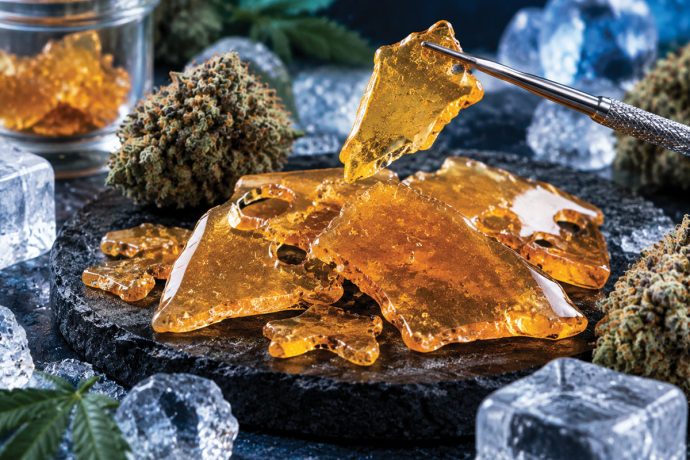
Shatter is generally associated with a brittle, glass-like structure, while honey oil is usually thicker and more fluid.
Both products can contain high THC concentrations.
Their different textures do not necessarily indicate differences in overall quality.
Honey Oil vs. Live Resin
Live resin is commonly produced from fresh-frozen cannabis material.
This process aims to retain aromatic compounds that may otherwise be lost during drying and curing.
It is a broader product description and does not necessarily indicate whether fresh or dried cannabis was used.
Honey Oil vs. Distillate
Cannabis distillate is extensively refined to concentrate selected cannabinoids, often producing very high THC purity.
It may contain a wider mixture of cannabinoids, terpenes, and other extract components.
Neither approach is automatically superior; the appropriate product depends on formulation, testing, and intended use.
How Is Honey Oil Used?
Honey oil may be incorporated into several cannabis product categories.
Some commercial vape cartridges contain oil-based cannabis extracts specifically formulated for compatible vaporization devices.
Other extracts are sold as concentrates intended for specialized vaporization equipment.
Cannabis oils may also be formulated into oral products, but not every oil is suitable for ingestion.
Products intended for vaping, inhalation, or oral use are not interchangeable. Consumers should follow the manufacturer’s instructions and never assume that an extract is appropriate for a particular method based on appearance alone.
Inhaling cannabis extracts also presents health risks, including respiratory irritation and exposure to potentially harmful substances.
How to Store Honey Oil Properly
Proper storage helps protect cannabis extracts from unnecessary changes in quality.
Heat, oxygen, and light can contribute to cannabinoid and terpene degradation over time.
To support product preservation, consumers should:
- Keep honey oil in its original, tightly sealed container.
- Store it in a cool, dark location away from direct sunlight.
- Avoid prolonged exposure to excessive heat.
- Minimize unnecessary handling and contamination.
- Follow manufacturer storage instructions and expiration guidance.
Cannabis products should always be stored securely, away from children and pets.
Is Honey Oil Safe?
It carries many of the same risks associated with other THC-rich cannabis products, with additional concerns arising from its high potency.
Potential adverse effects include anxiety, dizziness, rapid heartbeat, impaired memory, reduced coordination, and paranoia.
High-THC concentrates may also increase the risk of overconsumption and cannabis use disorder, particularly with frequent use.
Unregulated extracts introduce further concerns about residual solvents, pesticides, and other contaminants.
Adults who choose to use cannabis should select products from legally authorized retailers, check laboratory information where available, and avoid driving or operating machinery while impaired.
Individuals with a history of psychosis, certain cardiovascular conditions, or other significant health concerns should seek medical guidance.
Final Thoughts: Is Honey Oil Worth Exploring?
Honey oil remains a distinctive cannabis concentrate recognized for its golden appearance, concentrated cannabinoid content, and range of possible flavour profiles.
From its thick, sticky texture to its potential for high THC concentrations, honey oil offers characteristics that distinguish it from traditional flower and other extracts.
However, understanding its potency, limitations, and safety considerations is essential.
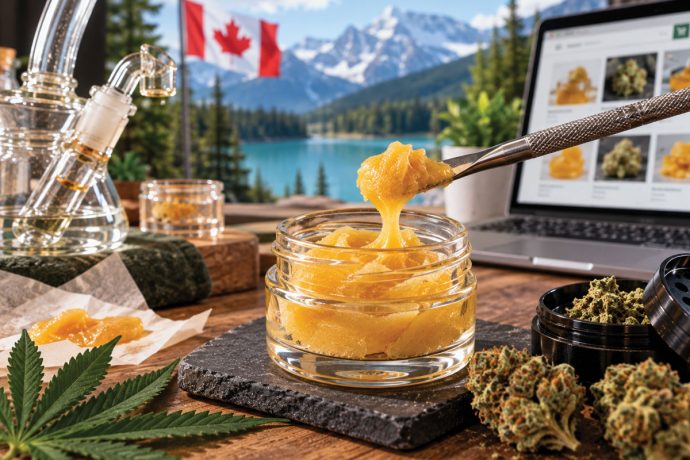
For Canadian cannabis enthusiasts interested in learning more about concentrates, West Coast Cannabis is one online cannabis retailer brand to explore for information about different extract categories. Before purchasing, consumers should confirm that any retailer is authorized to sell cannabis in their province and that products meet applicable testing and labeling requirements.
Ultimately, selecting quality cannabis products involves more than potency alone. Transparency, responsible production, accurate labelling, and informed consumption are equally important.