In recent years, cannabis has shifted from a counterculture symbol to a mainstream wellness option. With more states and countries legalizing medical and recreational cannabis, consumers are exploring how cannabis compares to traditional pharmaceuticals. One trend gaining attention is the decision by many patients to substitute cannabis vs prescription medications.
From chronic pain management to anxiety relief, consumers are turning to cannabis as a natural alternative—sometimes reducing or even eliminating their reliance on prescription drugs. But why is this happening? Let’s dive into the science, the stories, and the reasons behind this growing movement.
The Rise of Cannabis as Medicine
For decades, prescription medications were the gold standard for treating both acute and chronic conditions. However, with increasing awareness of side effects, dependency risks, and overprescription, patients have begun searching for safer, more natural alternatives.
Cannabis, once stigmatized, is now recognized for its therapeutic potential. The plant contains over 100 cannabinoids (like THC and CBD) and a variety of terpenes, each interacting with the body’s endocannabinoid system (ECS) to help regulate mood, pain, sleep, and inflammation.
As research expands, cannabis is becoming a legitimate option for patients looking to manage symptoms without heavy reliance on pharmaceuticals.
Key Reasons Consumers Substitute Cannabis for Prescription Drugs
1. Concerns Over Side Effects
Prescription medications, while effective, often come with a long list of side effects. For example:
- Opioids: Risk of addiction, constipation, drowsiness, overdose.
- Benzodiazepines: Sedation, dependence, memory impairment.
- Antidepressants: Weight gain, sexual dysfunction, emotional blunting.
In contrast, cannabis is often perceived as gentler on the body. While it does carry potential side effects (such as dry mouth, dizziness, or temporary anxiety), many users feel they are less severe compared to pharmaceuticals.
2. The Opioid Crisis
Perhaps the biggest driver of cannabis substitution is the opioid epidemic. According to the CDC, millions of Americans struggle with opioid dependency.
Studies show that in states with legal cannabis programs:
- Opioid prescriptions decreased.
- Patients reported substituting cannabis for pain medications.
- Some even achieved complete pain management without opioids.
For patients managing chronic pain, cannabis provides a non-lethal alternative with a far lower risk of addiction or overdose.
3. Natural Appeal
Consumers are increasingly prioritizing holistic and plant-based remedies over synthetic drugs. Cannabis is seen as a natural medicine that works with the body’s systems rather than against them.
This shift mirrors broader wellness trends, where people seek alternatives like herbal teas, meditation, and essential oils in place of heavy pharmaceuticals. Cannabis fits perfectly into this movement as a plant-based therapy.
4. Versatility of Cannabis
One reason cannabis is so appealing is its range of applications. Unlike many prescription drugs that target one symptom, cannabis can address multiple conditions simultaneously:
- Pain relief (chronic pain, migraines, arthritis)
- Anxiety and depression
- Insomnia
- Seizures and epilepsy
- Nausea from chemotherapy
- Appetite stimulation
Instead of juggling multiple prescriptions, some patients find that cannabis can act as a single, versatile option.
5. Personal Control Over Treatment
Prescription medications are often standardized, leaving patients little control over dosage or administration. Cannabis, however, offers:
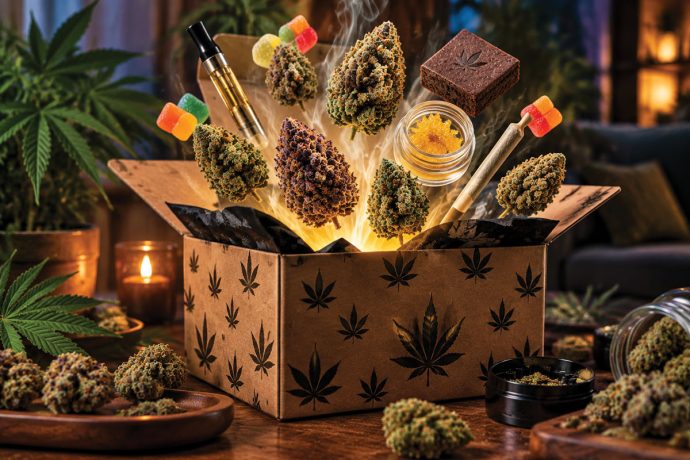
- Multiple forms (flower, edibles, tinctures, oils, vapes, topicals)
- Dosing flexibility (microdosing or stronger therapeutic doses)
- Strain variety (indicas for relaxation, sativas for energy, hybrids for balance)
This flexibility allows patients to customize their treatment based on personal needs, symptoms, and tolerance.
6. Cost Considerations
Prescription drug costs can be overwhelming, even with insurance. For chronic conditions, ongoing medication expenses add up quickly.
Cannabis, while not always covered by insurance, can be more affordable in the long run—especially when patients reduce or eliminate multiple prescriptions.
In states with robust cannabis programs, consumers often find cannabis to be a cost-effective solution compared to traditional pharmaceuticals.
What the Research Says
Scientific research is beginning to validate what patients have long reported: cannabis can effectively substitute for certain medications.
- A 2017 study in the Journal of Psychopharmacology found that patients with chronic pain reduced opioid use by 64% after starting medical cannabis.
- A survey published in Cannabis and Cannabinoid Research revealed that over 40% of respondents substituted cannabis for prescription drugs, citing better symptom management and fewer side effects.
- The National Academies of Sciences, Engineering, and Medicine concluded that cannabis is effective for treating chronic pain, chemotherapy-induced nausea, and multiple sclerosis spasticity.
While more large-scale clinical trials are needed, early evidence strongly supports cannabis as a viable substitute for many prescription medications.
Common Prescription Medications Replaced with Cannabis
Here are some categories where substitution is most common:
- Painkillers (Opioids): Many chronic pain patients switch to cannabis to avoid dependency risks.
- Anti-Anxiety Medications (Benzos): Cannabis, especially CBD-rich strains, may provide relief without sedation.
- Antidepressants: Some users report mood improvement and reduced reliance on SSRIs or SNRIs.
- Sleep Aids: Indica strains often replace prescription sleep medications.
- Muscle Relaxants: Cannabis helps with spasms and tension, especially in multiple sclerosis patients.
- Nausea Medication: Cannabis is highly effective for chemotherapy-related nausea.
The Risks and Considerations
While cannabis offers many benefits, it’s not a perfect solution. Important considerations include:
- Dosage challenges: Effects vary by strain, dose, and individual biology.
- Psychoactive effects: THC can cause anxiety or impairment in some users.
- Interactions: Cannabis may interact with other prescription drugs.
- Legal issues: Access depends on state or country laws.
👉 Pro Tip: Always consult with a healthcare provider before substituting cannabis for prescription medications, especially for serious medical conditions.
Why Consumers Prefer Cannabis
Summarizing the motivations, here’s why many consumers prefer Cannabis vs Prescription Medications:
- Fewer side effects
- Lower risk of dependency
- Natural and plant-based
- Versatile treatment option
- Greater personal control
- Cost savings
This combination of factors makes cannabis not just an alternative—but for many, a preferred option.
Where to Find Safe, High-Quality Cannabis
If you’re considering substituting cannabis for prescription medications, it’s crucial to choose lab-tested, dispensary-grade products. Quality and consistency matter, especially when using cannabis for health reasons.
👉 That’s why West Coast Cannabis is one of the best places to buy cannabis.
Here’s why West Coast Cannabis stands out:
- ✅ Wide Selection: From CBD-rich strains to high-THC flower, edibles, tinctures, and topicals.
- ✅ Lab-Tested Products: Guaranteed potency, safety, and purity.
- ✅ Expert Guidance: Knowledgeable staff can recommend strains for pain, anxiety, sleep, or other needs.
- ✅ Affordable Pricing: Great deals and consistent value for medical and recreational users alike.
Whether you’re exploring cannabis for the first time or looking to reduce reliance on prescriptions, West Coast Cannabis provides safe, reliable, and effective cannabis products.
Final Thoughts about Cannabis vs Prescription Medications
The growing trend of substituting cannabis vs prescription medications reflects a larger shift in healthcare and wellness. Patients are seeking natural, holistic, and customizable alternatives to pharmaceuticals—options that provide relief without the burden of side effects, dependency, or overwhelming costs.
While cannabis isn’t a cure-all, it is an effective, versatile tool for managing conditions like chronic pain, anxiety, depression, insomnia, and more. Research continues to support what countless patients already know: cannabis has the power to improve quality of life.
If you’re curious about making the switch, remember to:
- Consult with a healthcare professional.
- Start with low doses and adjust slowly.
- Choose quality products from a trusted dispensary.
👉 And when you’re ready to explore, visit West Coast Cannabis—the best place to find premium cannabis strains, edibles, and wellness products tailored to your needs.