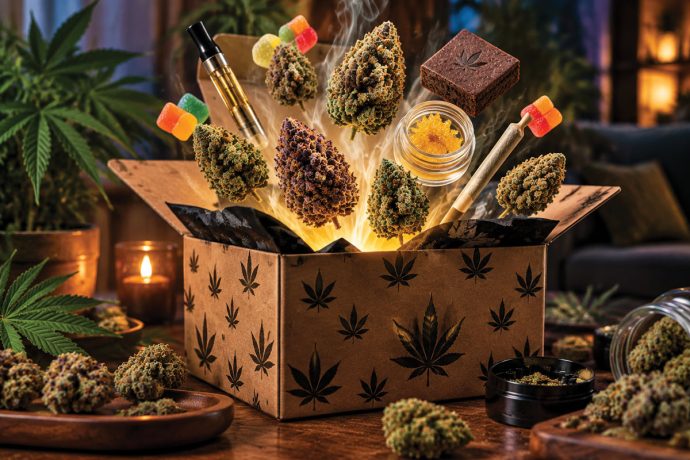
Cannabis can affect people in noticeably different ways. Some become quiet and introspective, while others suddenly seem ready to talk about everything from music and movies to personal stories and big ideas. This connection between Weed and Socializing has made cannabis a common part of certain adult social settings, but why does it make some people more talkative?
The answer involves a combination of THC, brain chemistry, mood, personality, environment, expectations, and individual tolerance. Cannabis does not automatically make everyone more social, but some adults report feeling relaxed, amused, curious, or more engaged in conversation after consuming it.
Understanding these effects can help explain why cannabis is associated with conversation and social experiences while also highlighting the importance of responsible consumption.
How Cannabis Affects the Brain
Cannabis contains numerous naturally occurring compounds called cannabinoids. The best known is tetrahydrocannabinol, or THC, which is primarily responsible for the intoxicating effects associated with cannabis.
THC interacts with the body’s endocannabinoid system, including cannabinoid receptors located throughout the brain. These interactions can temporarily influence mood, memory, sensory perception, attention, appetite, and the perception of time.
This helps explain why Weed and Socializing can feel different from ordinary conversation. Music may seem more interesting, jokes may feel funnier, and simple topics can sometimes inspire surprisingly long discussions.
These effects vary significantly between individuals. The amount consumed, THC concentration, previous cannabis experience, other cannabinoids and compounds in the product, and the surrounding environment can all influence the experience.
Why Does Weed Make Some People More Talkative?
One possible reason is that cannabis can change how people perceive and respond to their surroundings. Someone who feels comfortable after consuming cannabis may become more willing to participate in a conversation.
Cannabis may also alter attention and thought patterns. A person might jump between ideas or become unusually fascinated by a particular topic. This can create conversations that feel spontaneous, imaginative, or humorous.
The social environment matters too.
Someone relaxing with trusted friends may respond very differently from someone consuming cannabis around unfamiliar people. Comfortable surroundings can encourage conversation, while an unfamiliar or overstimulating setting could have the opposite effect.
This is an important part of understanding Weed and Socializing: cannabis is only one factor influencing the experience.
Cannabis and Relaxed Social Environments
For some adults, cannabis is associated with relaxing activities such as watching movies, listening to music, playing games, sharing food, or spending an evening talking with friends.
In these settings, conversation may feel less structured. People might move easily between humorous stories, creative ideas, memories, or observations about what is happening around them.
That does not necessarily mean cannabis improves communication. THC can impair short-term memory and attention, which may make it easier to lose track of a conversation or forget what someone was about to say.
The same cannabis experience can therefore produce both increased talkativeness and less organized conversation.
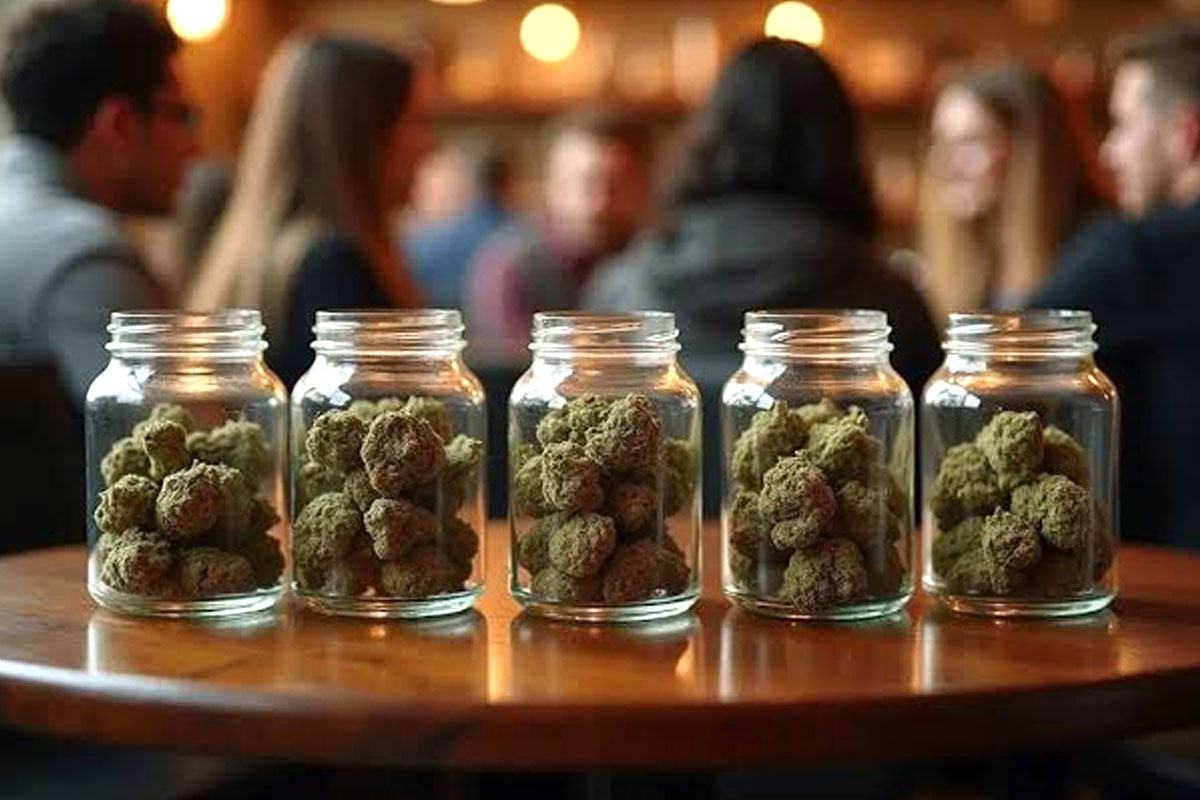
Weed and Socializing: The Role of Mood
Mood can strongly influence the effects of cannabis.
Someone who begins an experience feeling comfortable and positive may have a very different reaction from someone who is already stressed or uncomfortable. Cannabis can sometimes intensify existing feelings rather than simply replacing them.
This is why Weed and Socializing is highly individual.
A person who feels relaxed may become cheerful and conversational. Another person may prefer sitting quietly and listening to music. Someone else could feel uncomfortable, anxious, or overly self-conscious.
There is no universal social response to cannabis.
Can Cannabis Make Conversations Feel More Interesting?
Some cannabis consumers report that ordinary subjects seem more engaging after consuming THC.
Cannabis can temporarily alter sensory perception and the subjective experience of time. A familiar song, movie, meal, or conversation may therefore feel different than usual.
People may become interested in details they would normally overlook or spend longer discussing a seemingly simple idea.
This can contribute to the association between Weed and Socializing, especially in recreational settings where conversation is already an important part of the gathering.
However, feeling that a conversation is more profound does not necessarily mean communication or reasoning has objectively improved. Cannabis can impair judgment, memory, coordination, and attention even when the person feels engaged.
Potential Social Benefits Reported by Cannabis Users
Adults use cannabis for many different reasons, and social experiences are only one of them.
Some consumers describe cannabis-centered gatherings as enjoyable because they provide an opportunity to relax, share entertainment, eat together, or spend time with friends. Cannabis may become part of the activity in much the same way that food, music, movies, or games help establish the atmosphere of a gathering.
For some people, the perceived benefits of Weed and Socializing include feeling more relaxed, finding humor more enjoyable, becoming interested in creative discussions, or simply sharing an experience with friends.
These are subjective experiences rather than guaranteed effects. Cannabis can affect two people very differently even when they consume the same product.
Why Strain and Product Choice Can Matter
Cannabis products can vary significantly in THC and CBD concentration, terpene profile, format, and potency.
Consumers sometimes describe particular strains using terms such as uplifting, relaxing, energetic, or calming. However, traditional labels like indica and sativa do not reliably predict exactly how an individual will feel.
For social situations, understanding THC potency may be particularly useful. Products containing high concentrations of THC can produce stronger intoxication and may increase the likelihood of unwanted effects in some consumers.
People with limited cannabis experience can be particularly sensitive to THC.
Edibles also require additional caution because their effects can take considerably longer to appear than inhaled cannabis and can last much longer.
When Weed Can Make Socializing Less Comfortable
Cannabis does not always make people more outgoing.
THC can sometimes produce anxiety, confusion, dizziness, paranoia, or excessive self-consciousness. Someone expecting to become talkative could instead become quiet or uncomfortable.
Consuming too much can also make following conversations difficult because cannabis may interfere with short-term memory and concentration.
Mixing cannabis with alcohol can increase impairment and unwanted effects. Anyone consuming cannabis should also avoid driving or operating machinery while impaired.
Recognizing these limitations provides a more realistic understanding of Weed and Socializing rather than assuming cannabis automatically improves every social experience.
Creating a Comfortable Social Experience
For adults who legally consume cannabis, responsible use is an important part of creating a positive environment.
Knowing the product’s THC content and avoiding excessive consumption can reduce the likelihood of an unexpectedly intense experience. A familiar, comfortable environment can also make the experience easier to manage.
There should never be pressure for everyone at a gathering to consume cannabis. Some people may prefer not to participate, while others may simply enjoy spending time with the group without using cannabis.
Cannabis products should also be stored securely and kept away from children and pets.
Final Thoughts on Weed and Socializing
The relationship between Weed and Socializing is influenced by much more than cannabis alone. THC can temporarily affect mood, attention, perception, memory, and thought patterns, which may help explain why some people become unusually talkative after consuming cannabis.
Personality, tolerance, potency, mood, setting, and the people around you can all shape the experience. While some adults describe cannabis as making social gatherings feel relaxed, funny, or engaging, others may become quieter or experience unwanted effects.
For adults considering West Coast Cannabis, review its current product information, potency details, shipping policies, legal availability, and purchasing requirements before ordering. When choosing cannabis products, prioritize transparent product information, responsible consumption, and purchasing through channels that comply with the cannabis laws applicable in your province or territory.